What was the challenge?
A UAE university delivering most of its programmes online had no campus footfall to lean on: if students didn't find it in search, they didn't find it at all. It was competing with global online providers and local universities for searches like "online university in UAE", in both English and Arabic. It needed a strong online position in the UAE that turned searches into enquiries.
SEO terms in plain English
- Commercial intent
- A search made by someone who is close to choosing, such as comparing online master's degrees, rather than someone just browsing.
- Internal linking
- Links from one page of your site to another. They guide readers to the pages that matter and tell Google which pages are most important.
- Education portals
- Websites that list and compare universities and courses, where prospective students research their options.
- Organic traffic
- Visitors who find you through Google's normal search results, without you paying for ads.
What was the strategy?
- 01
Publish informational blogs with commercial intent that lead readers to programme pages
- 02
Build strong internal linking so authority and readers flow to the pages that convert
- 03
Earn links from education portals where prospective students compare universities
What exactly did I do?
4 moves, each with what I did and why it mattered.
- 01Content
Wrote informational blogs with commercial intent
Published blogs answering the questions prospective students ask before they apply, such as how online degrees work and which online programmes suit working professionals, in English and Arabic. Each one was written to lead the reader on to the matching programme.
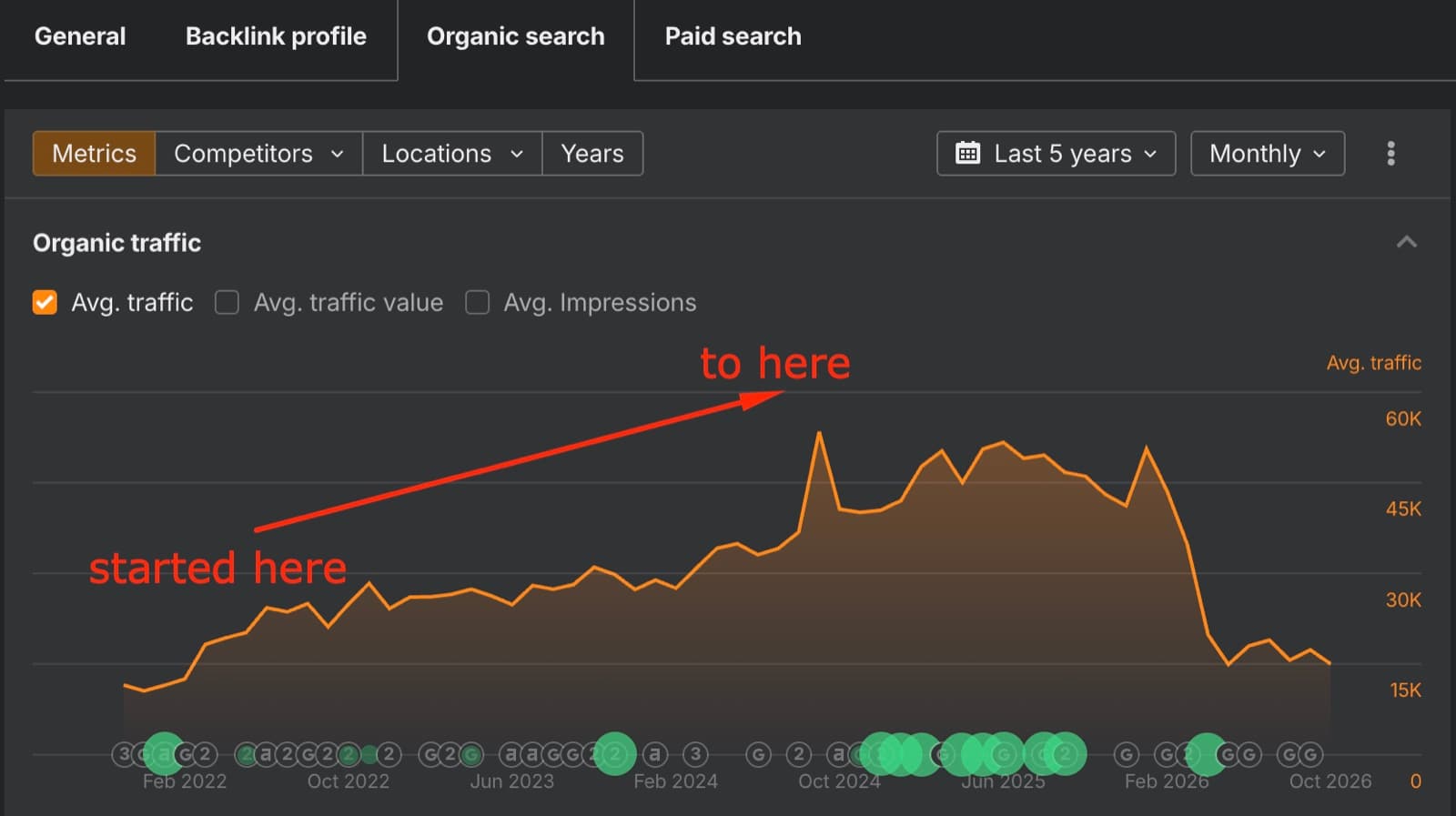
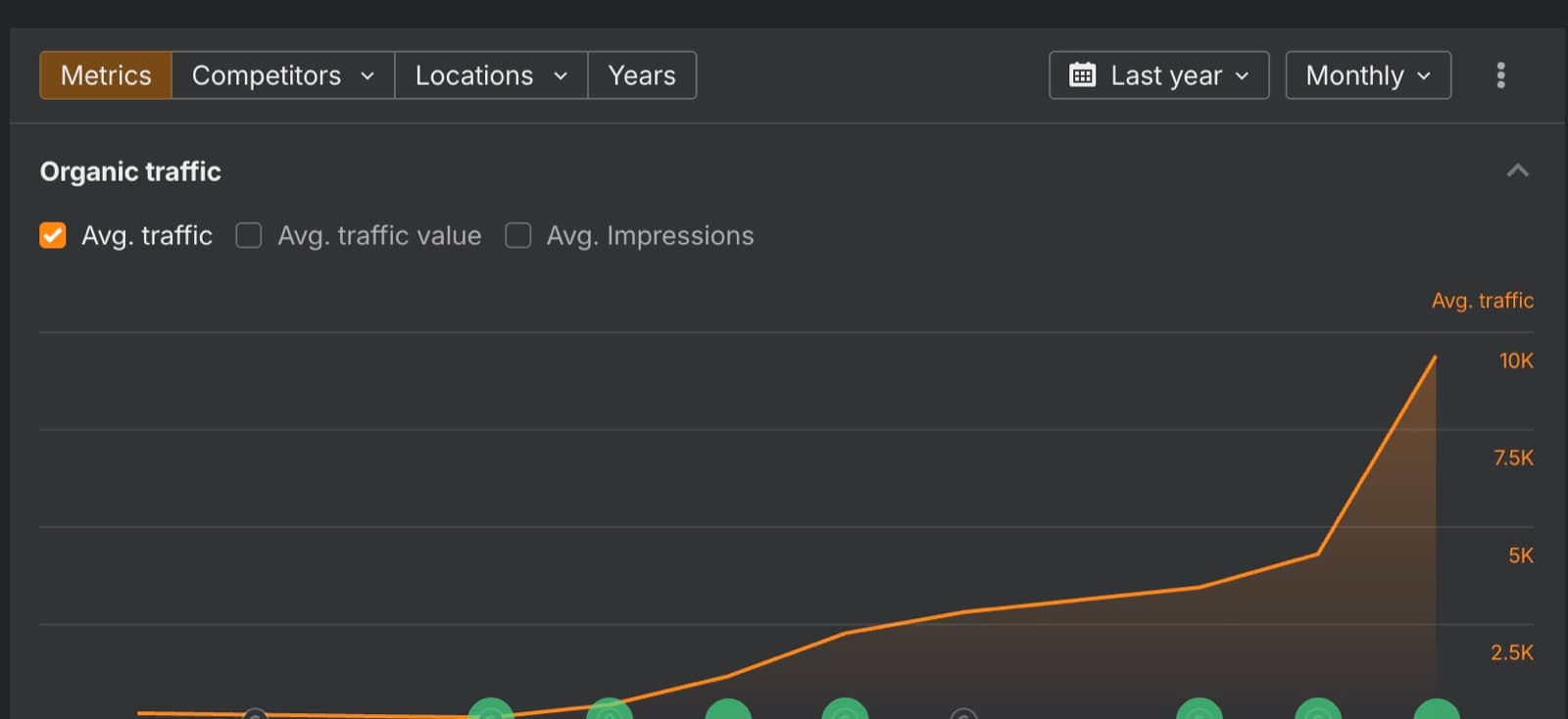
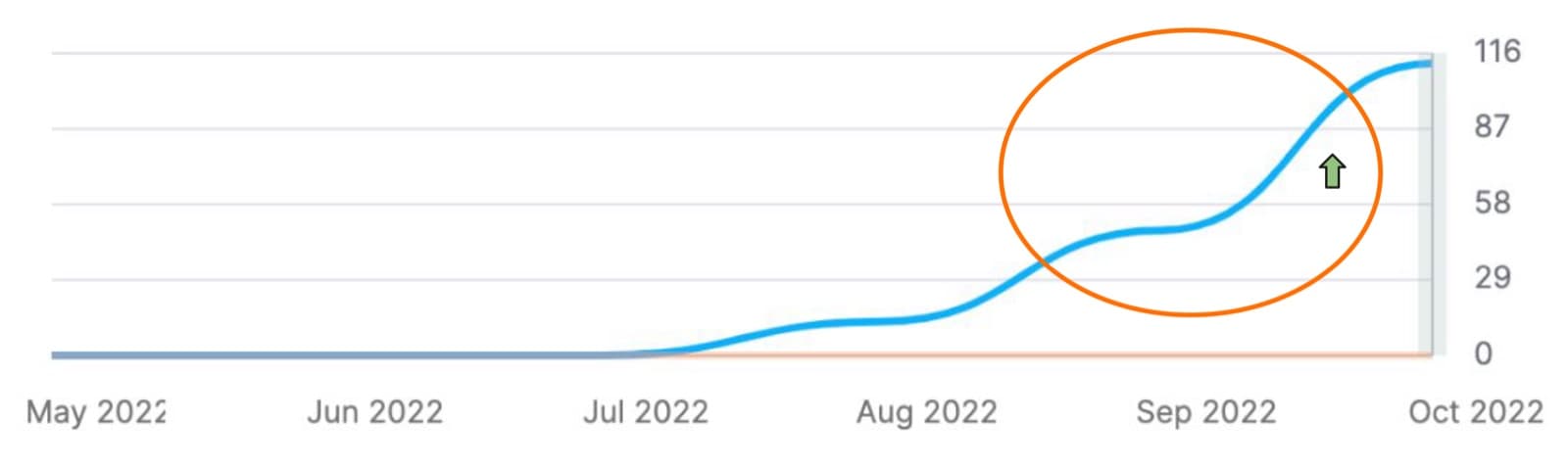
Why it mattered: Pure informational content brings visitors who never enquire. Blogs that answer a real question and then point to the programme that solves it bring readers who are already weighing up a degree. That's how blog traffic grew 18x and still turned into enquiries.
- 02On-page SEO
Optimised the programme pages
Ran on-page optimisation on the programme pages in both languages, so each page clearly matched the searches students make for that programme.
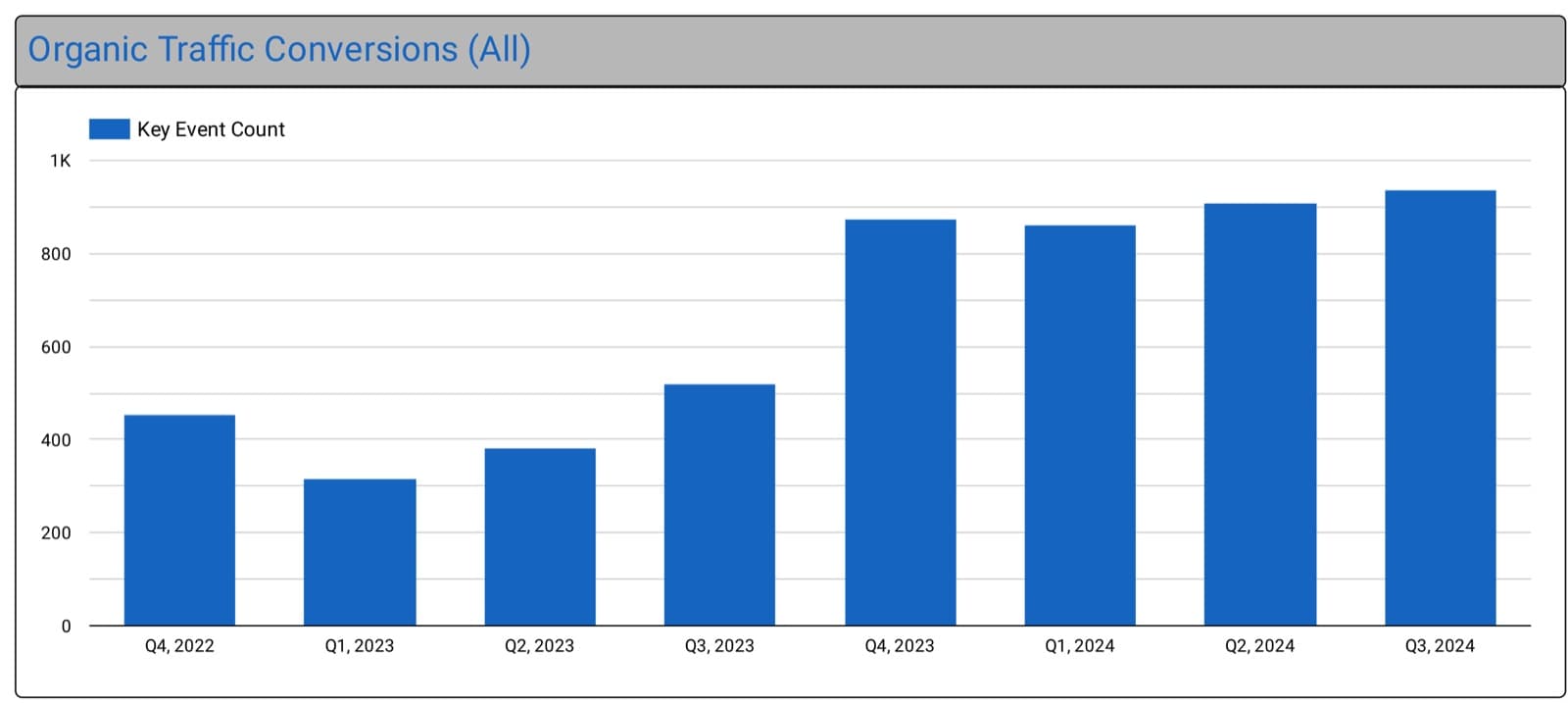
Why it mattered: Programme pages are where enquiries happen. Making each one the best answer for its own searches is what lifted conversions from Google, not just visits.
- 03Internal linking
Linked every blog to the programme it supports
Built a strong internal linking structure: blogs link to their programme pages, and related programmes link to each other.
Why it mattered: Internal links pass authority from well-read blogs to the pages that convert, and give a reader the next step at the moment they're interested. Without them, blog traffic stays on the blog.
- 04Authority
Earned links from education portals
Secured links from education portals, the websites students use to research and compare universities.
Why it mattered: Links from education websites tell Google the university is a trusted name in its field, and they send visitors who are actively comparing where to study.
What do I stand for?
Every blog has a job
Traffic that never reaches a programme page doesn't help enrolment. Each article I plan has a programme it supports and a reader it should send there.
Online-first means search-first
Without a campus to walk past, search is how students discover an online university. It deserves the attention a campus open day would get.
Relevance beats volume in link building
A few links from education websites do more for a university than many links from unrelated ones, and carry no risk.
How the results were verified
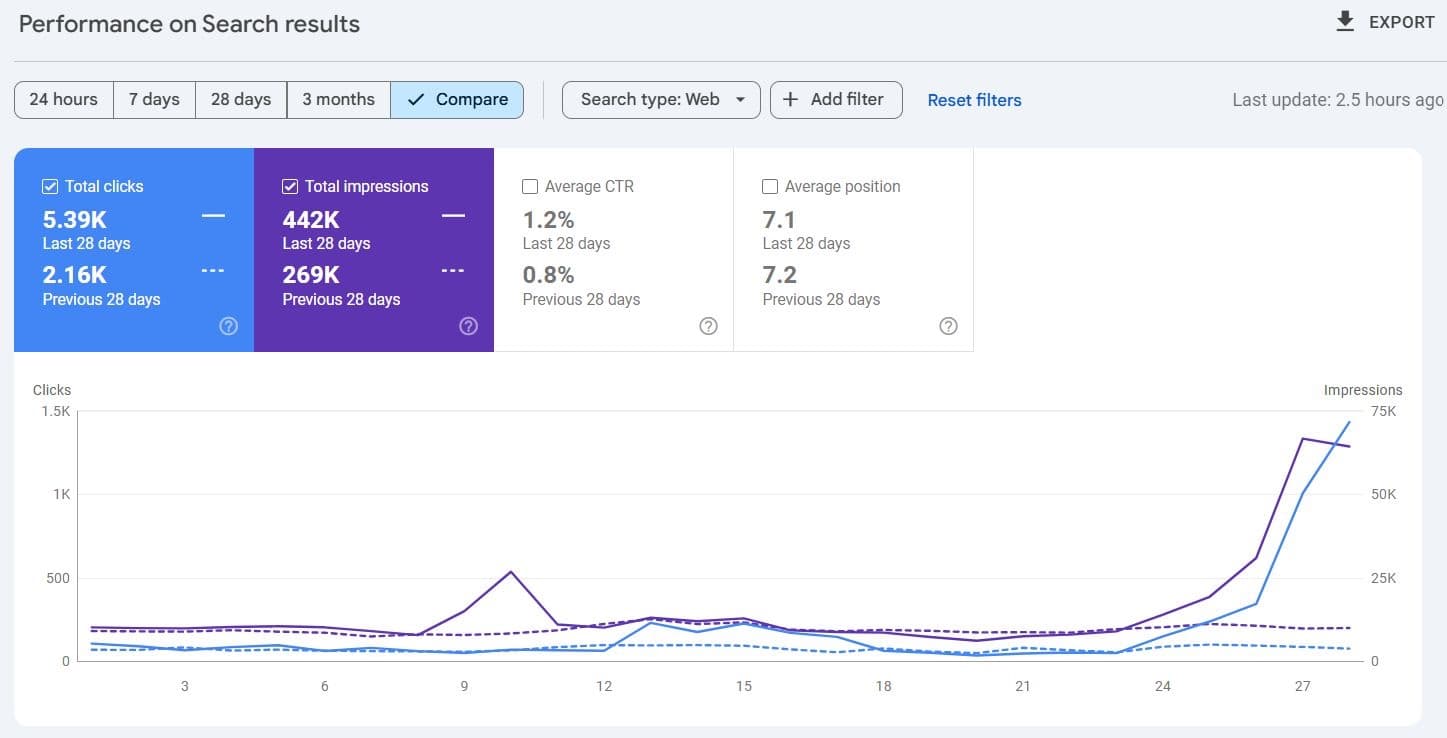
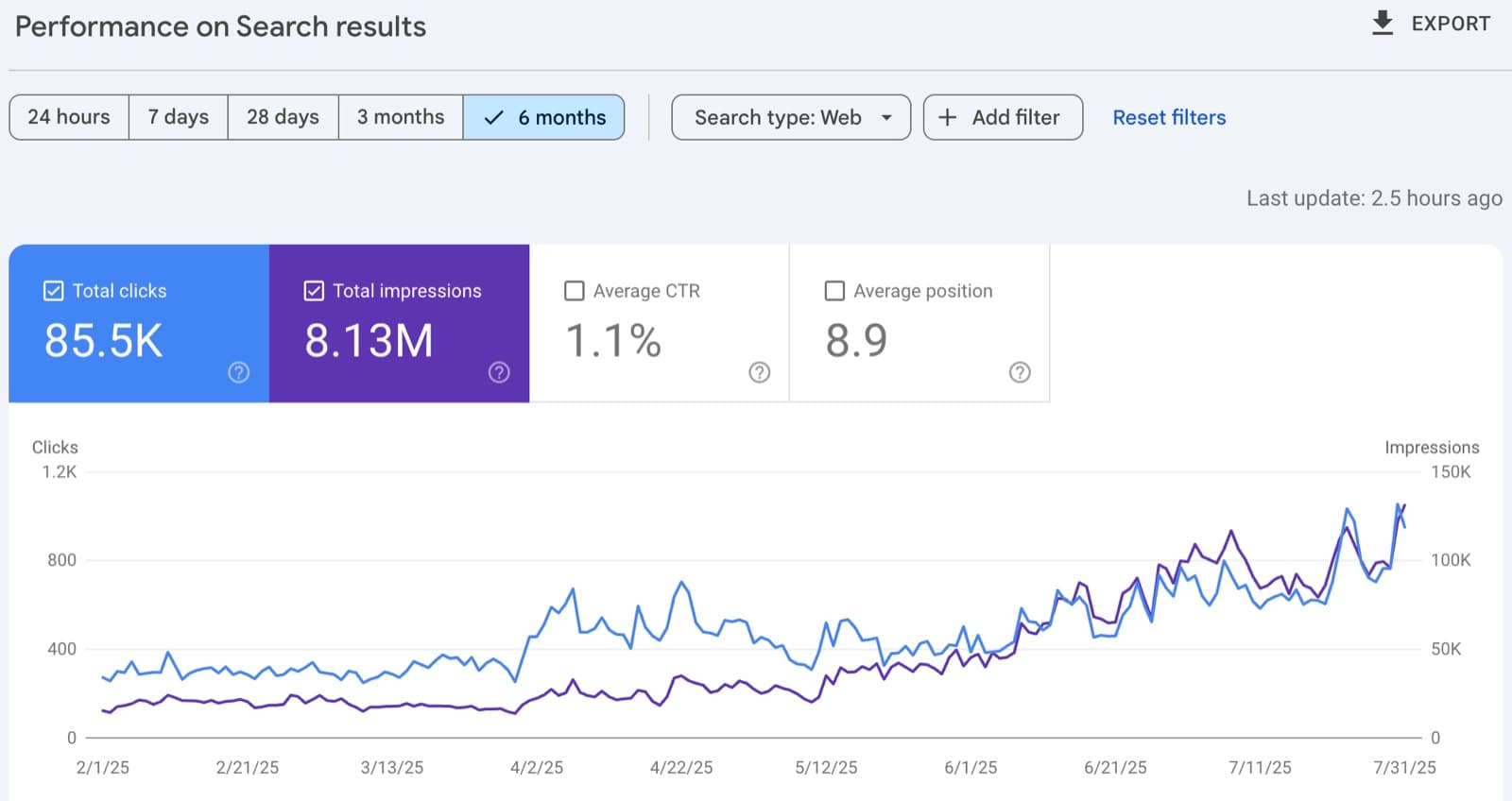
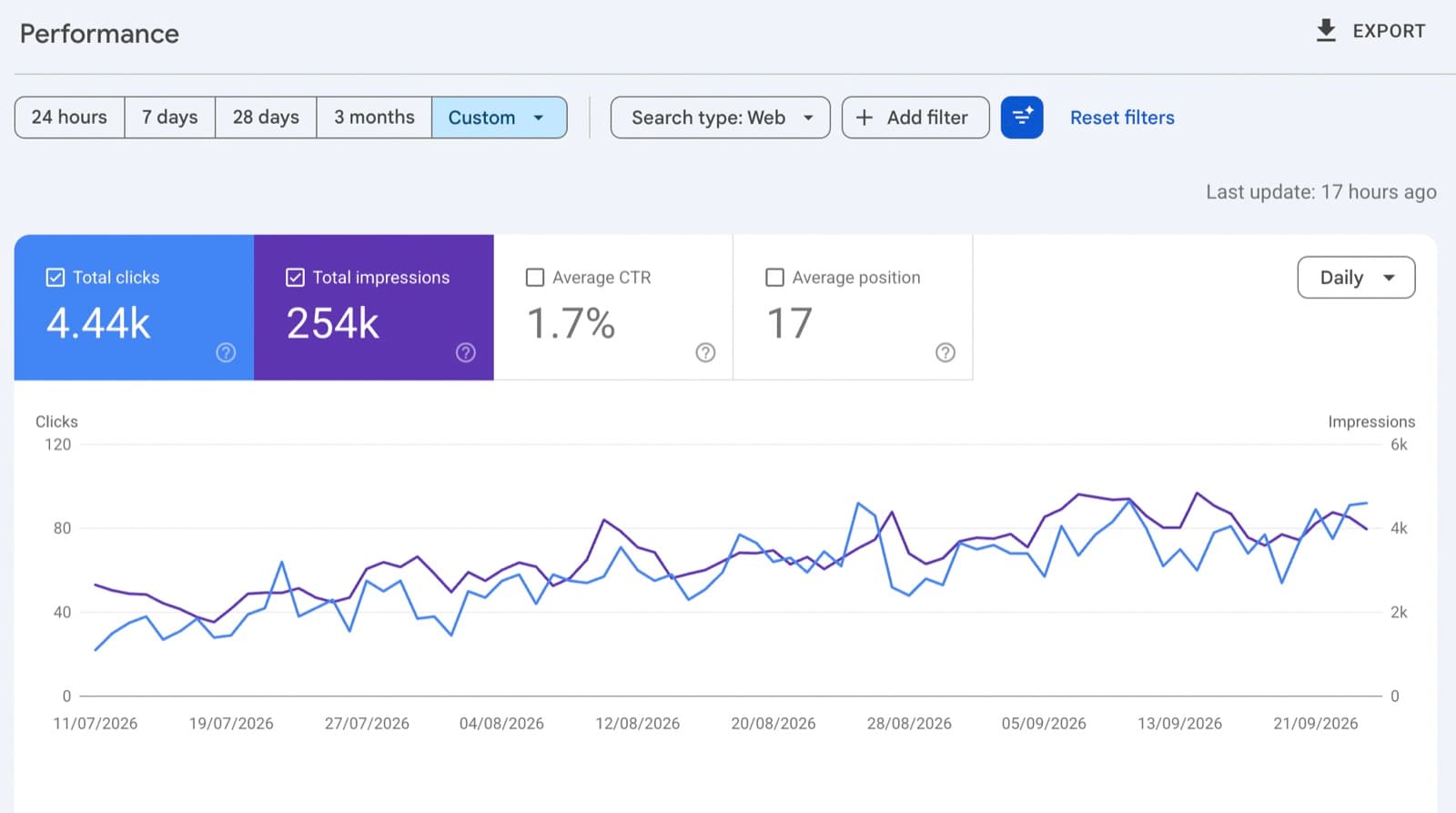
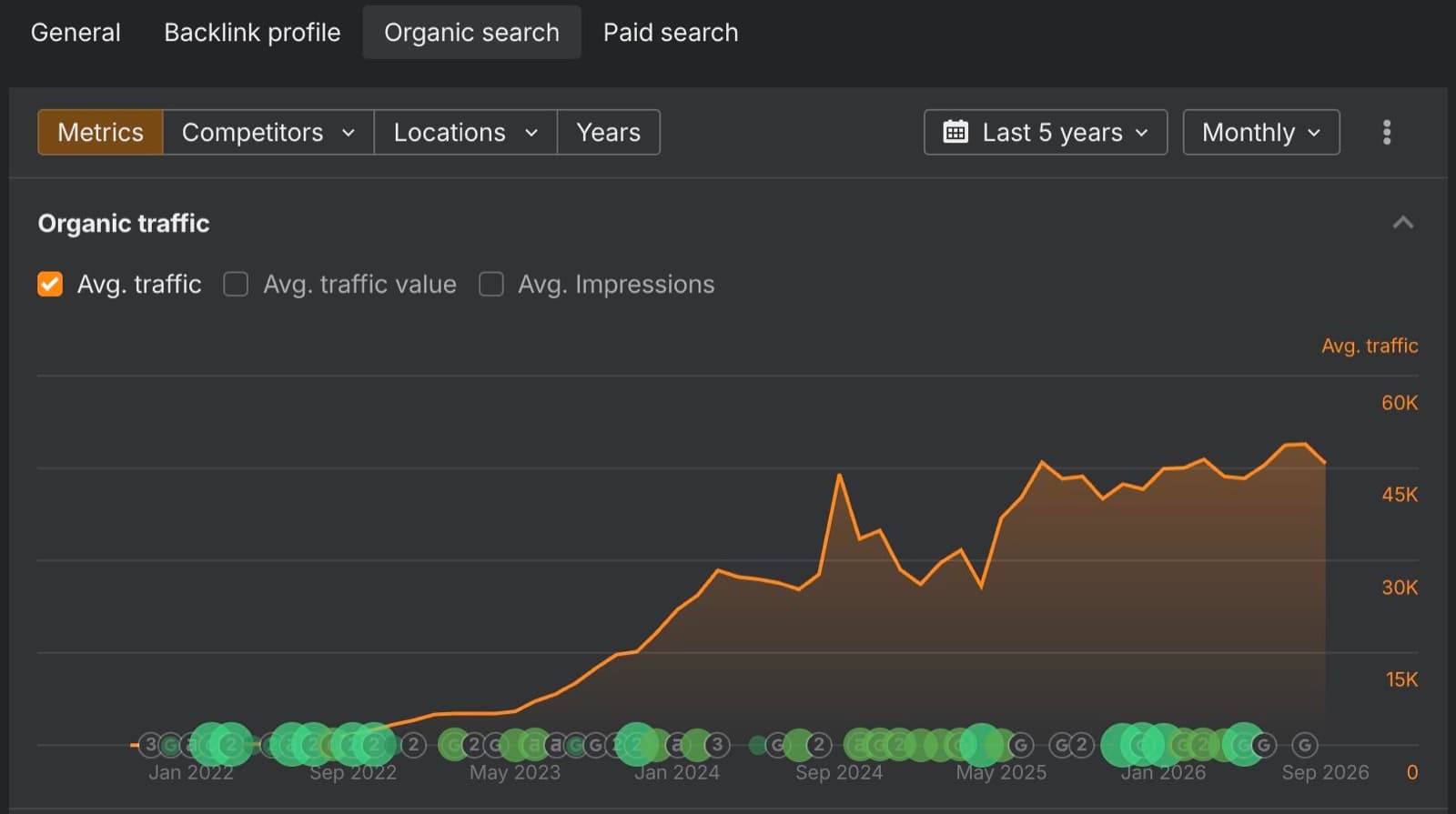
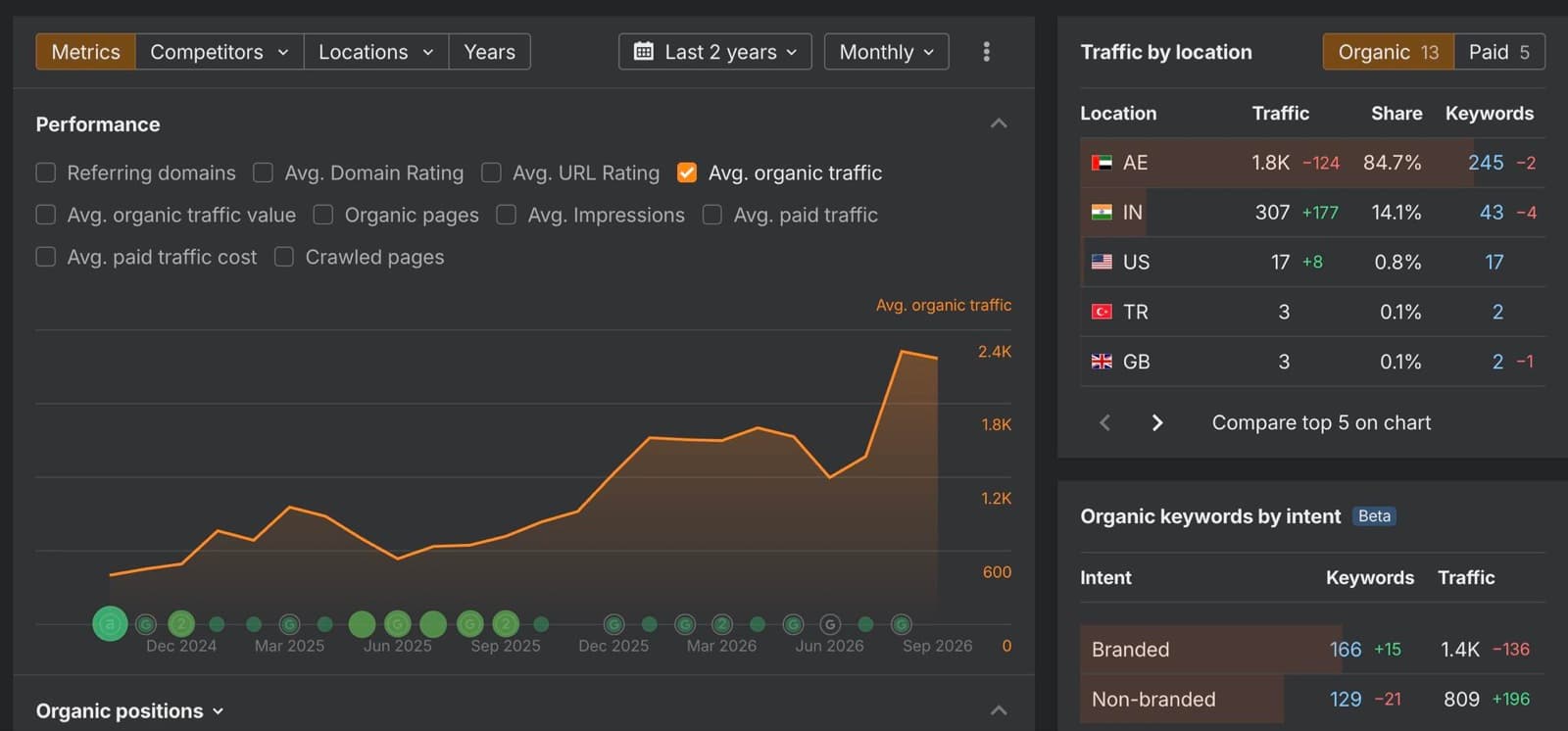
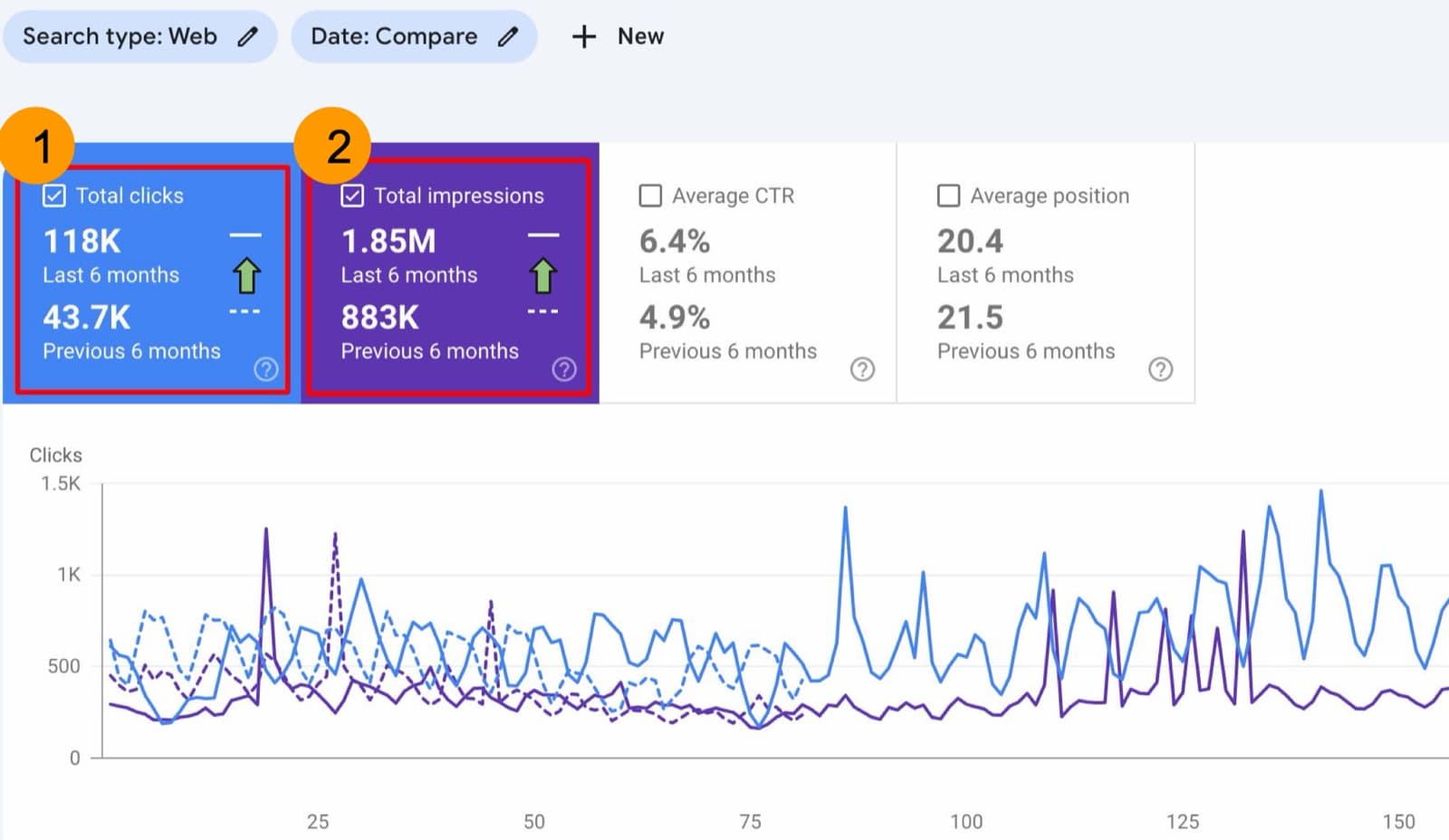
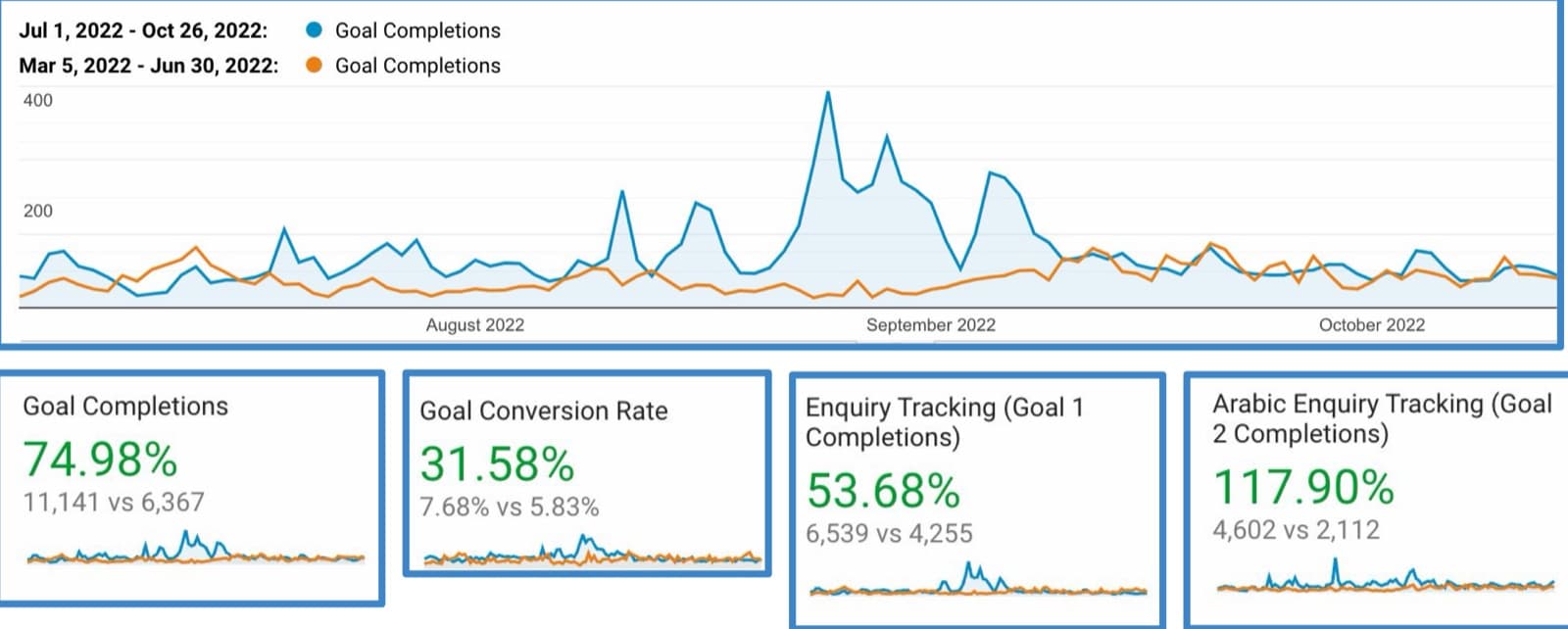
- Clicks and impressions verified via Google Search Console, conversions via Google Analytics and blog traffic via Semrush. The screenshots show the first six months of the engagement.
- The client stays anonymous to protect confidentiality; the numbers are real.
UK University's New Dubai Campus
+320% organic traffic and +140% organic leads for a new Dubai campus, plus 8x traffic from AI assistants