What was the challenge?
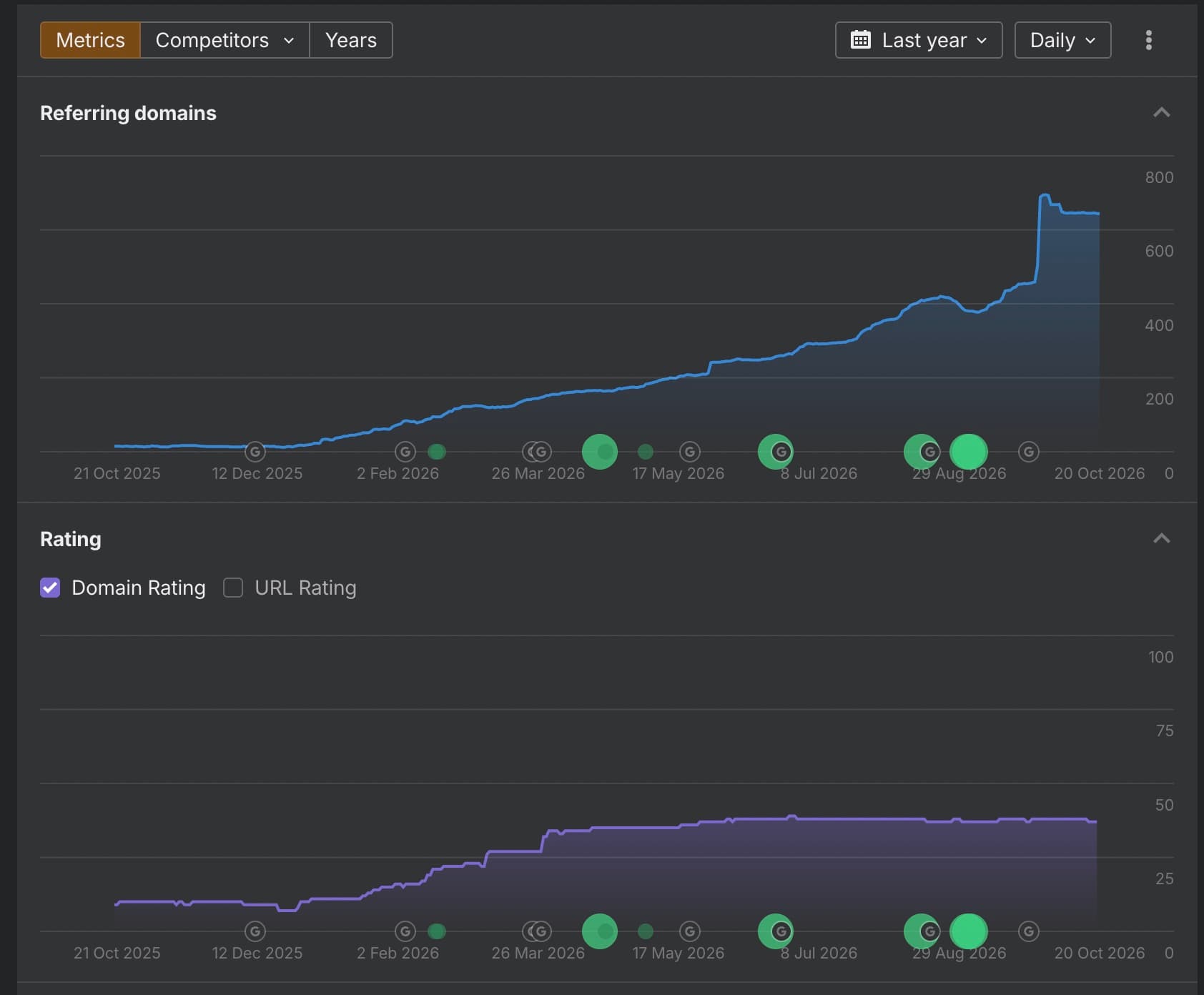
The client was a new AI chatbot SaaS in one of the most crowded categories on the internet. Its domain had no authority at all (a Domain Rating of 0), so even good pages couldn't outrank established competitors. The first job wasn't writing more content. It was getting Google to trust the domain.
SEO terms in plain English
- Domain Rating (DR)
- Ahrefs' 0–100 score for how strong a website's backlinks are. The higher it is, the easier it is for every page on the site to rank.
- Backlink
- A link from another website to yours. Google treats each one as a vote of confidence, and votes from respected sites count for far more.
- Organic traffic
- Visitors who find you through Google's normal search results, without you paying for ads.
- Parasite SEO
- Publishing content on big, established websites that already rank well, so your brand shows up in search before your own site is strong enough to.
What was the strategy?
- 01
Earn authority fast with links from top-tier news websites and SaaS partners
- 02
Create content that attracts links by itself: statistics articles
- 03
Show up in search straight away through high-authority platforms while the domain grew
What exactly did I do?
4 moves, each with what I did and why it mattered.
- 01Digital PR
Got the brand onto top-tier news websites
Built links from top-tier news and media websites, the most trusted sources on the web.
Why it mattered: One link from a respected news site tells Google more about a brand than hundreds of small links. It's the kind of link that moves Domain Rating fastest, and it makes the brand more credible to buyers too.
- 02Partnerships
Teamed up with other SaaS websites
Set up collaborations with other SaaS companies that benefited both sides and earned the product links from relevant software websites.
Why it mattered: Links from other software companies tell Google that the product belongs in the SaaS space. And because the partners got something out of it too, the links came from real, active websites.
- 03Linkable assets
Published statistics articles that earn links on their own
Wrote data-led statistics articles about the AI chatbot space: the kind of page bloggers and journalists cite when they need a number.
Why it mattered: Every time a writer quotes a stat and credits the source, the site gets a link without anyone asking for it. These pages keep earning new links month after month.
- 04Parasite SEO
Ranked on high-authority platforms, at scale
Published content at scale on established platforms that Google already ranks highly, each piece pointing readers back to the product.
Why it mattered: A brand-new domain takes months to rank by itself. Platforms Google already trusts rank much sooner, so the brand started appearing in search results while its own authority was still being built.
What do I stand for?
Authority comes first for a new SaaS
A new domain can publish great pages and still not rank. When authority is the bottleneck, I fix that first instead of writing more content.
Who links to you matters more than how many
A few links from news sites and real SaaS companies do more than a pile of low-quality ones. I go after the sources Google already trusts.
Create things people want to link to
The best links aren't asked for. Useful content like statistics pages keeps earning links long after it's published.
Don't wait for the domain to catch up
While a new site builds authority, I use platforms that already rank to put the brand in front of searchers, so growth starts in month one, not month twelve.
How the results were verified
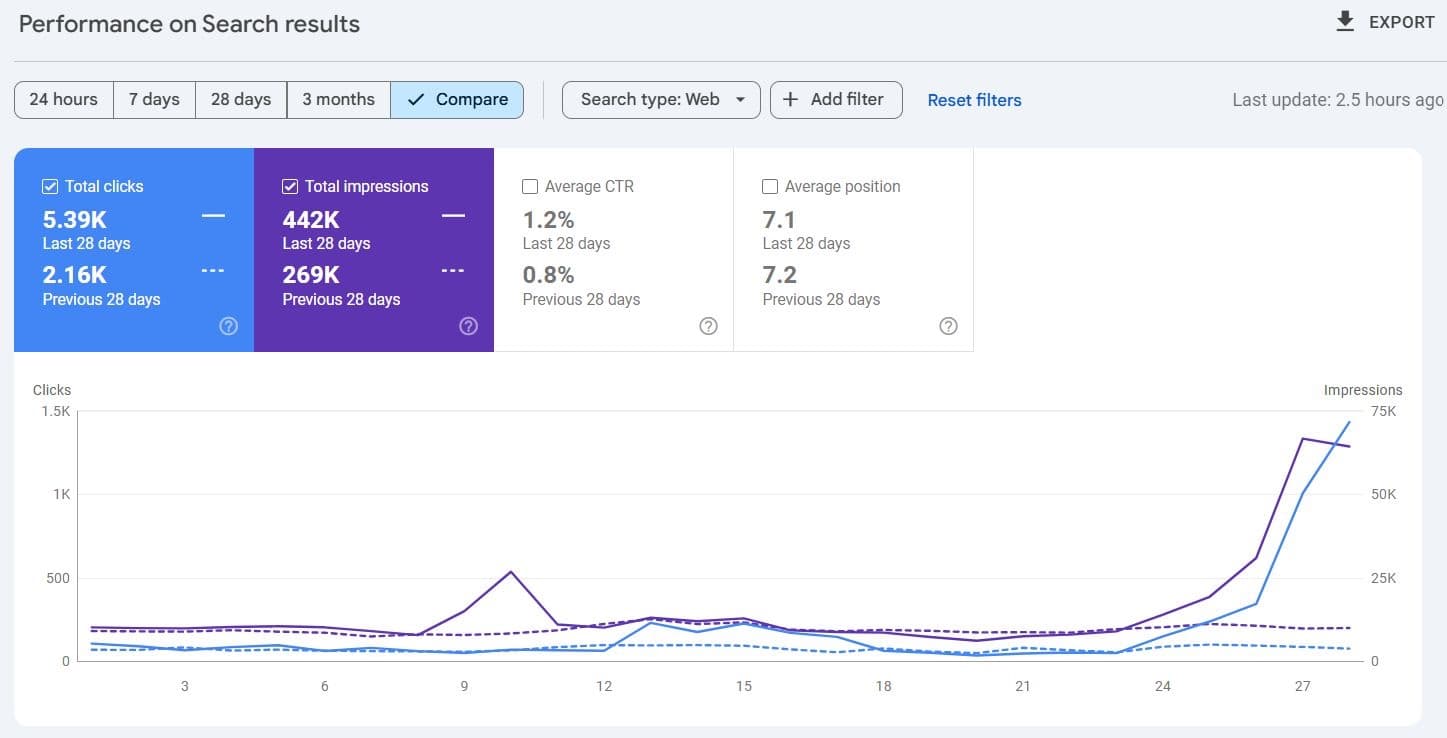
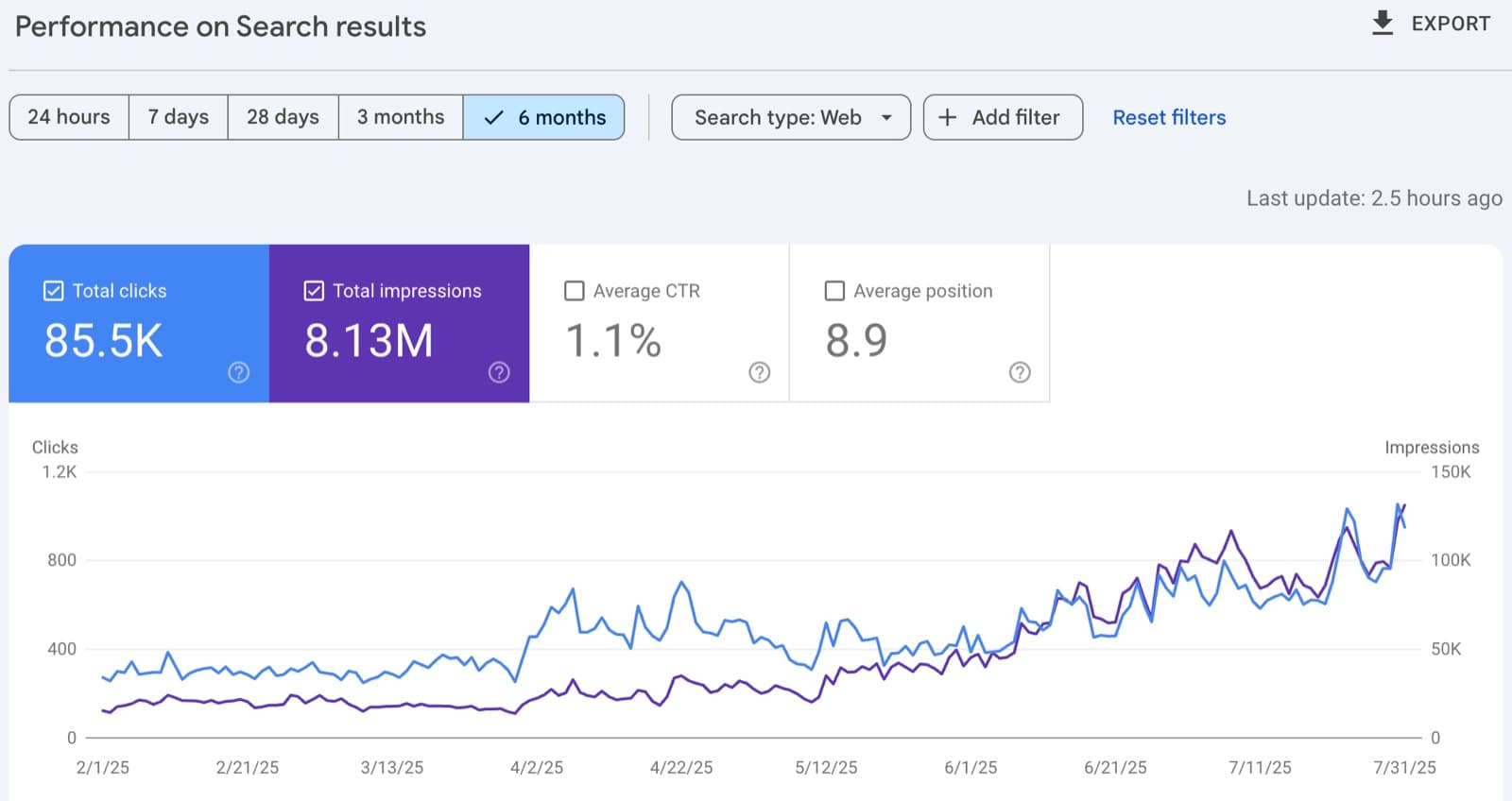
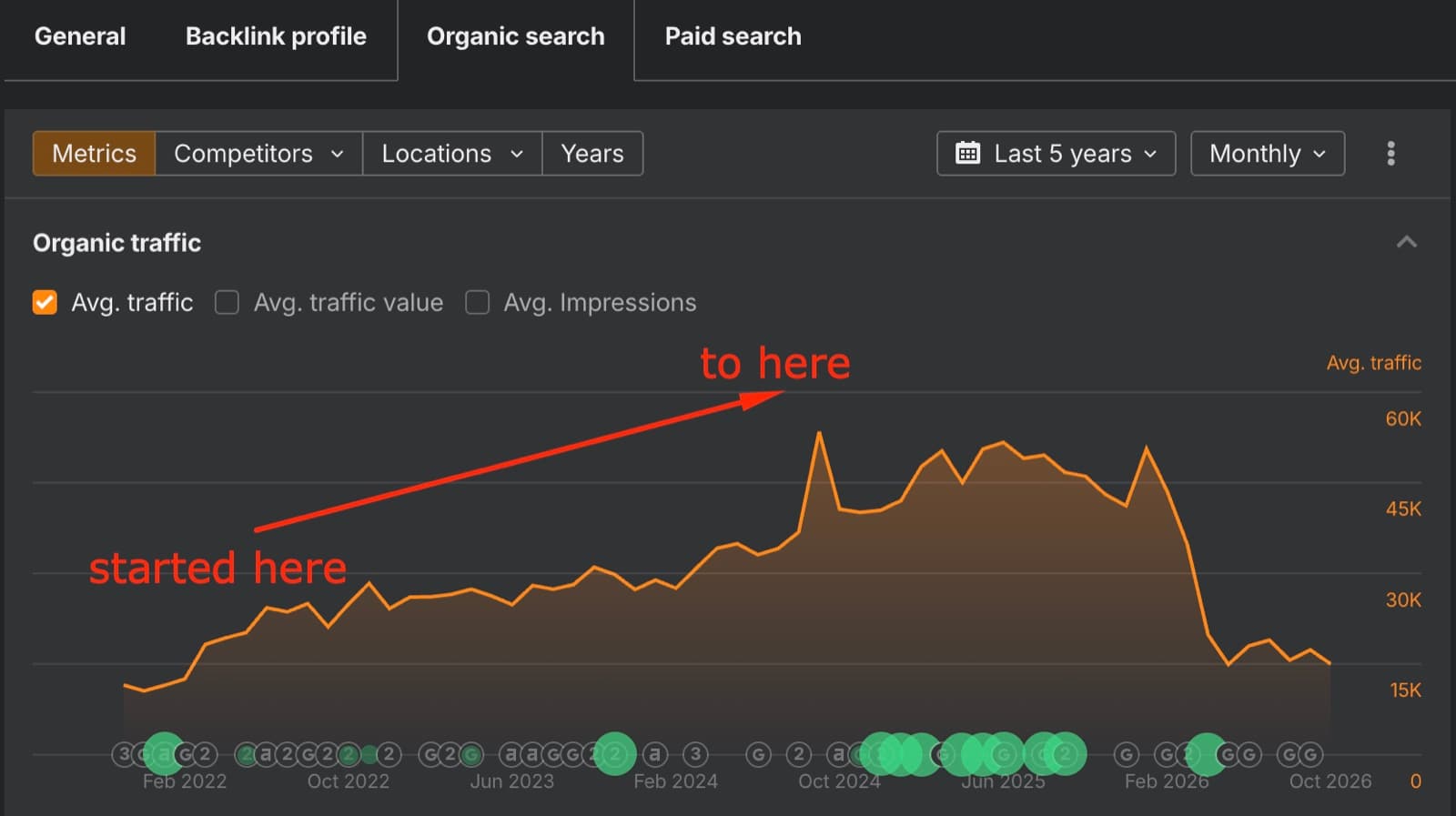
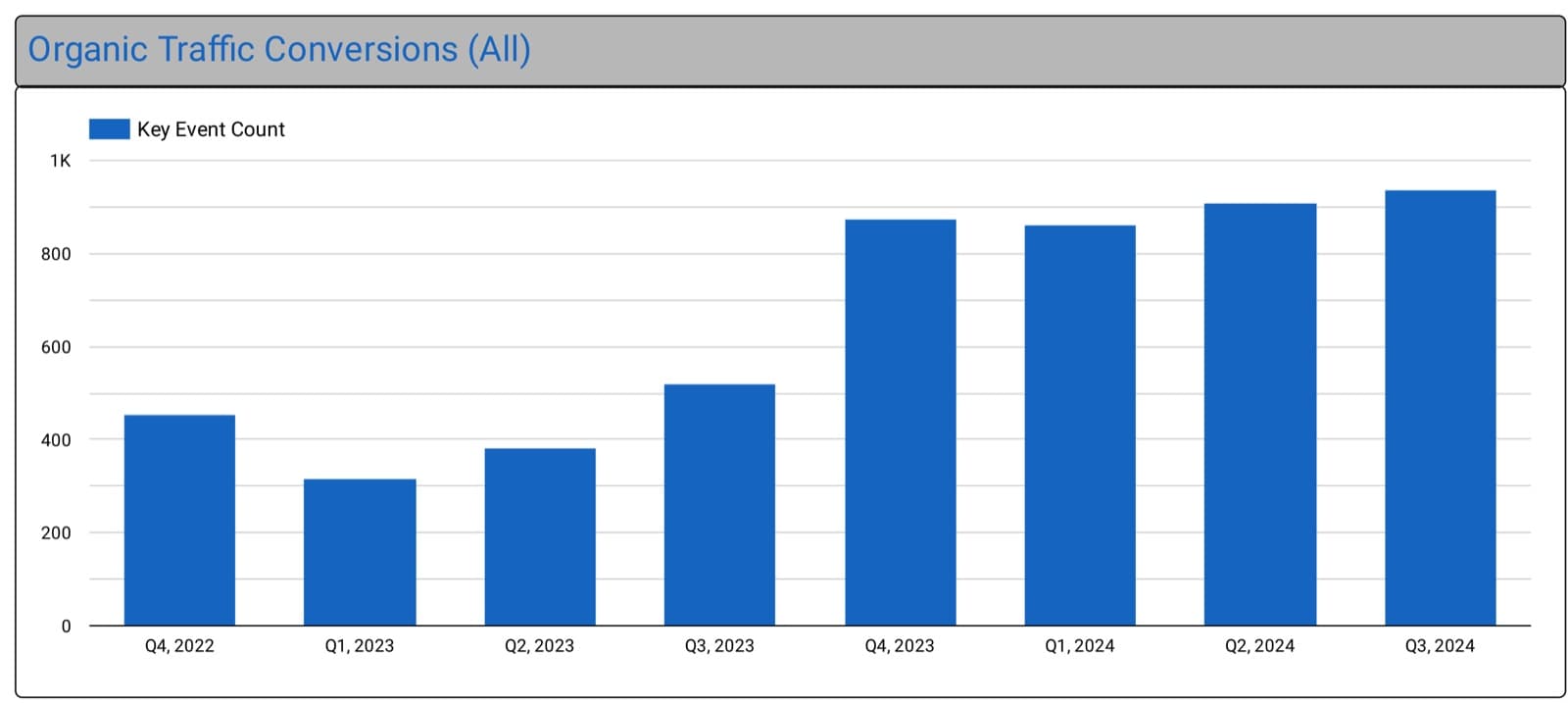
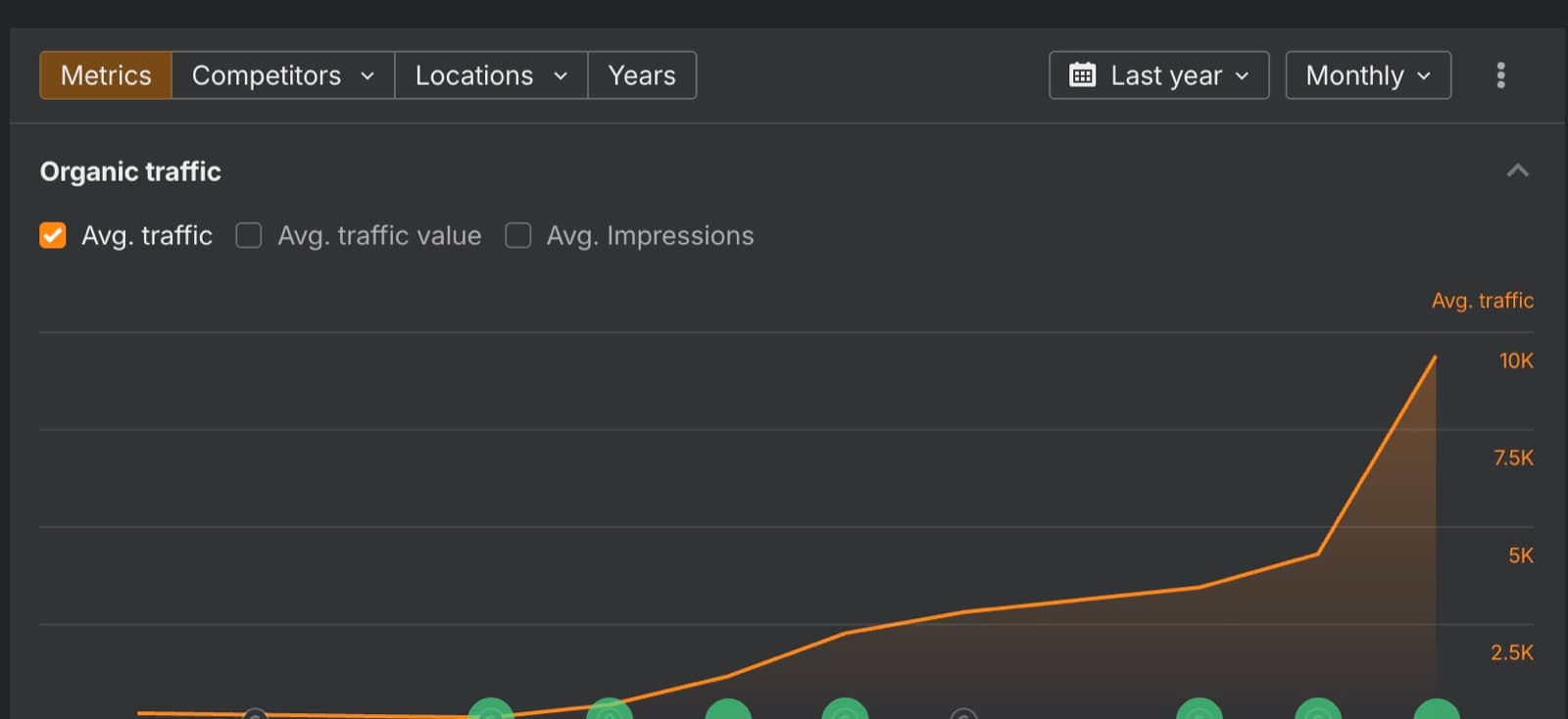
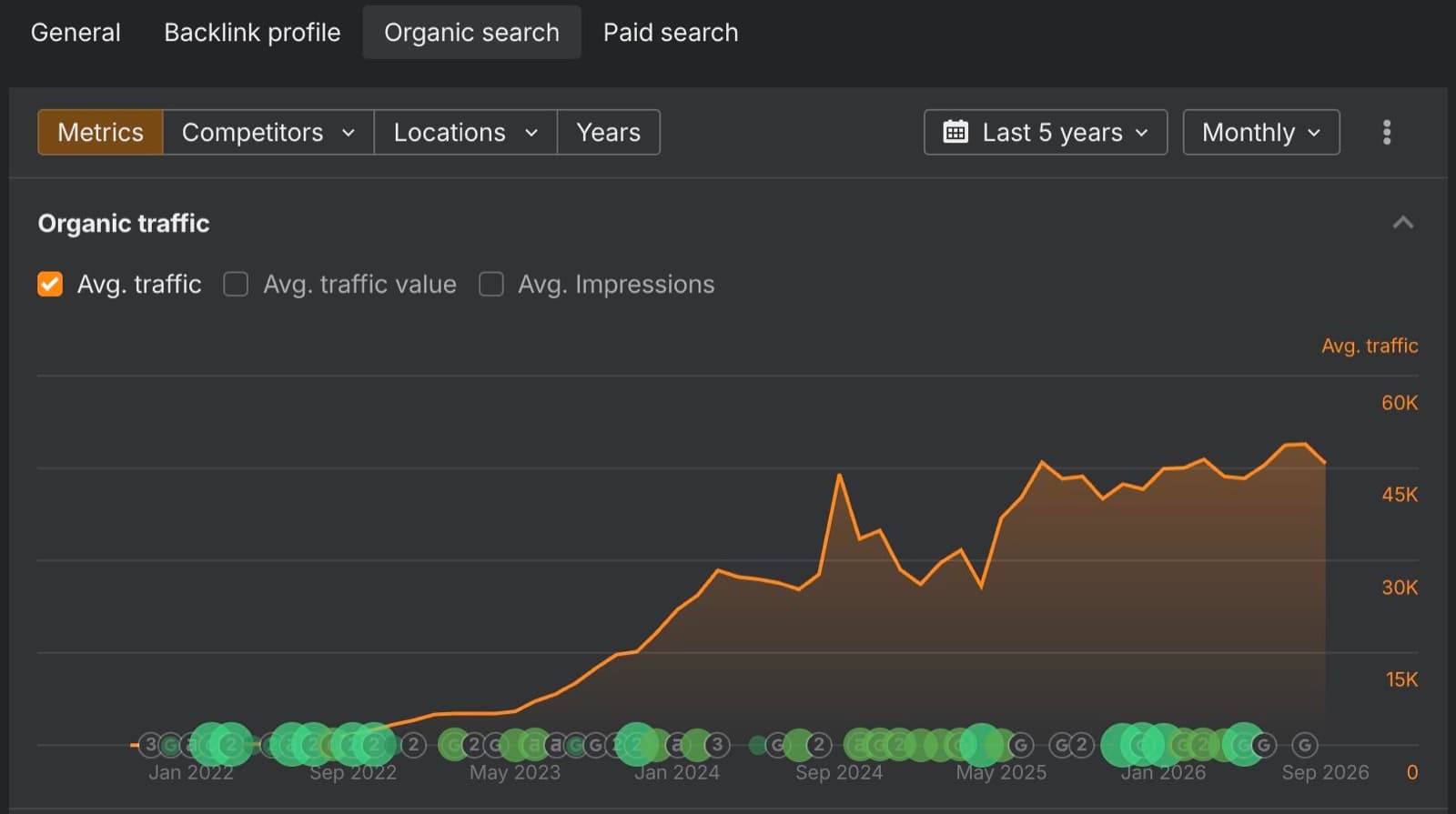
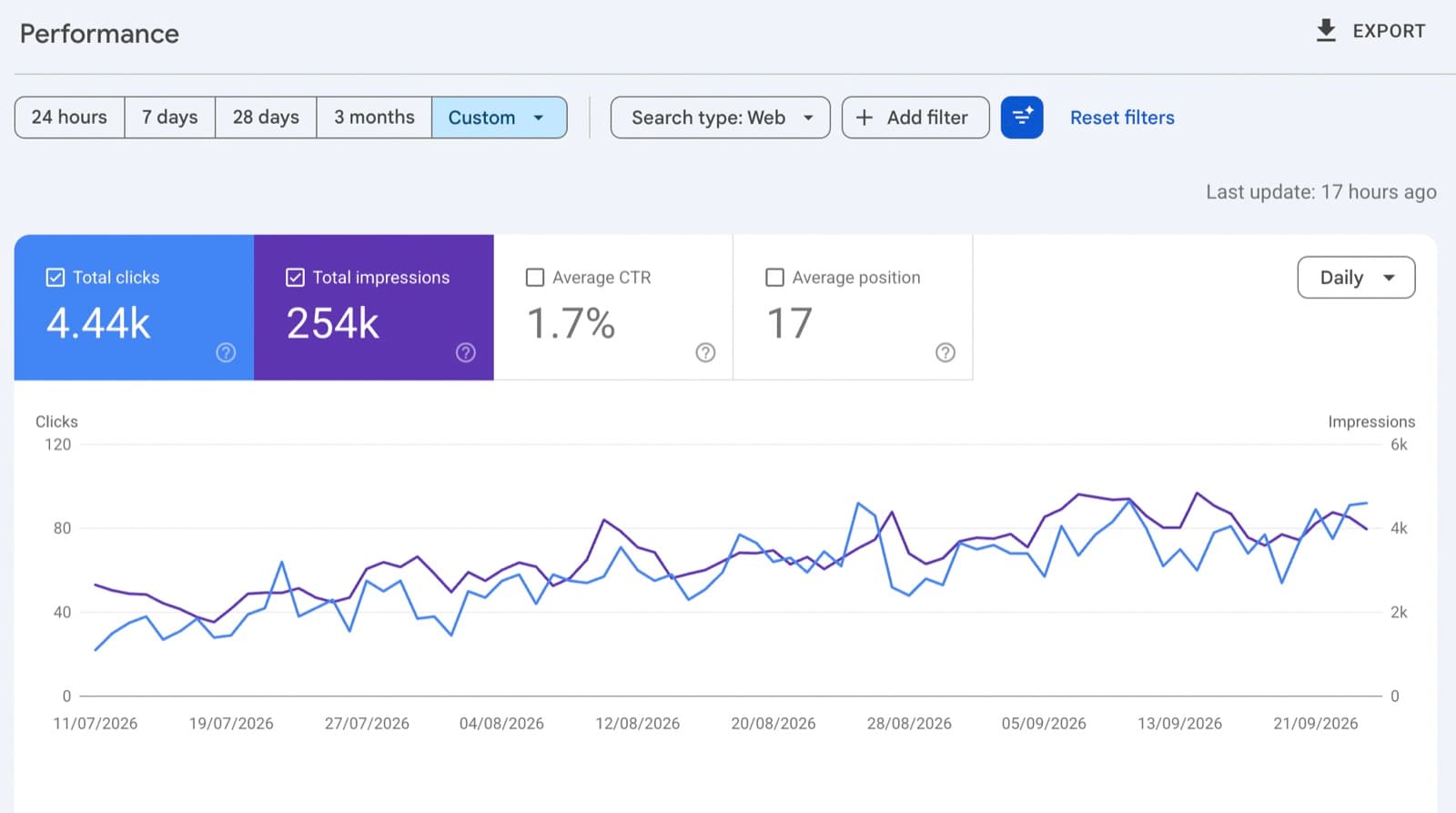
- Domain Rating and organic traffic verified via Ahrefs; clicks and impressions via Google Search Console.
- The client stays anonymous to protect confidentiality; the numbers are real.
TeleCRM, CRM SaaS
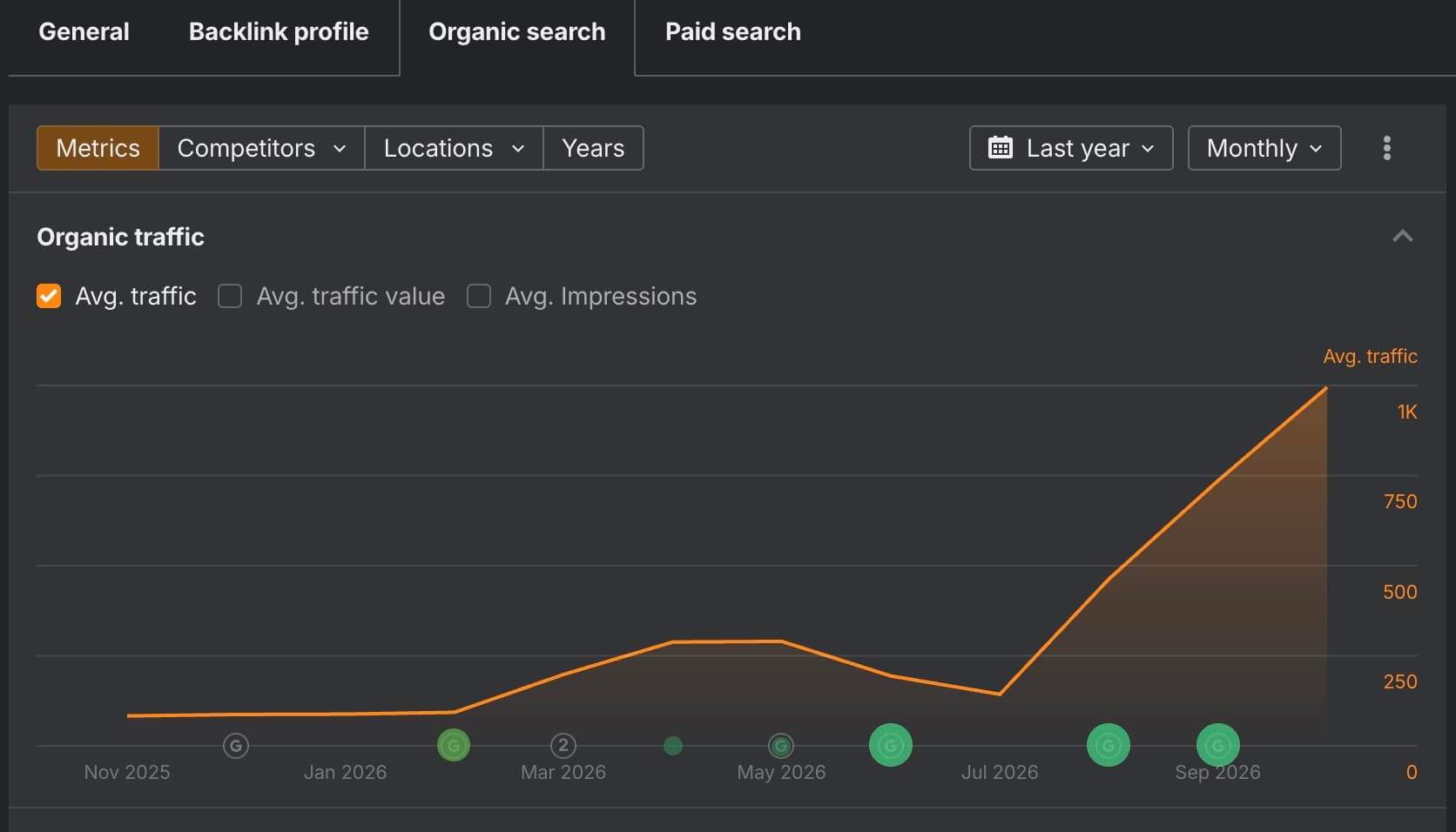
0 → 30K+ monthly organic traffic, and DR 0 → 50+ in 12 months