
What was the challenge?
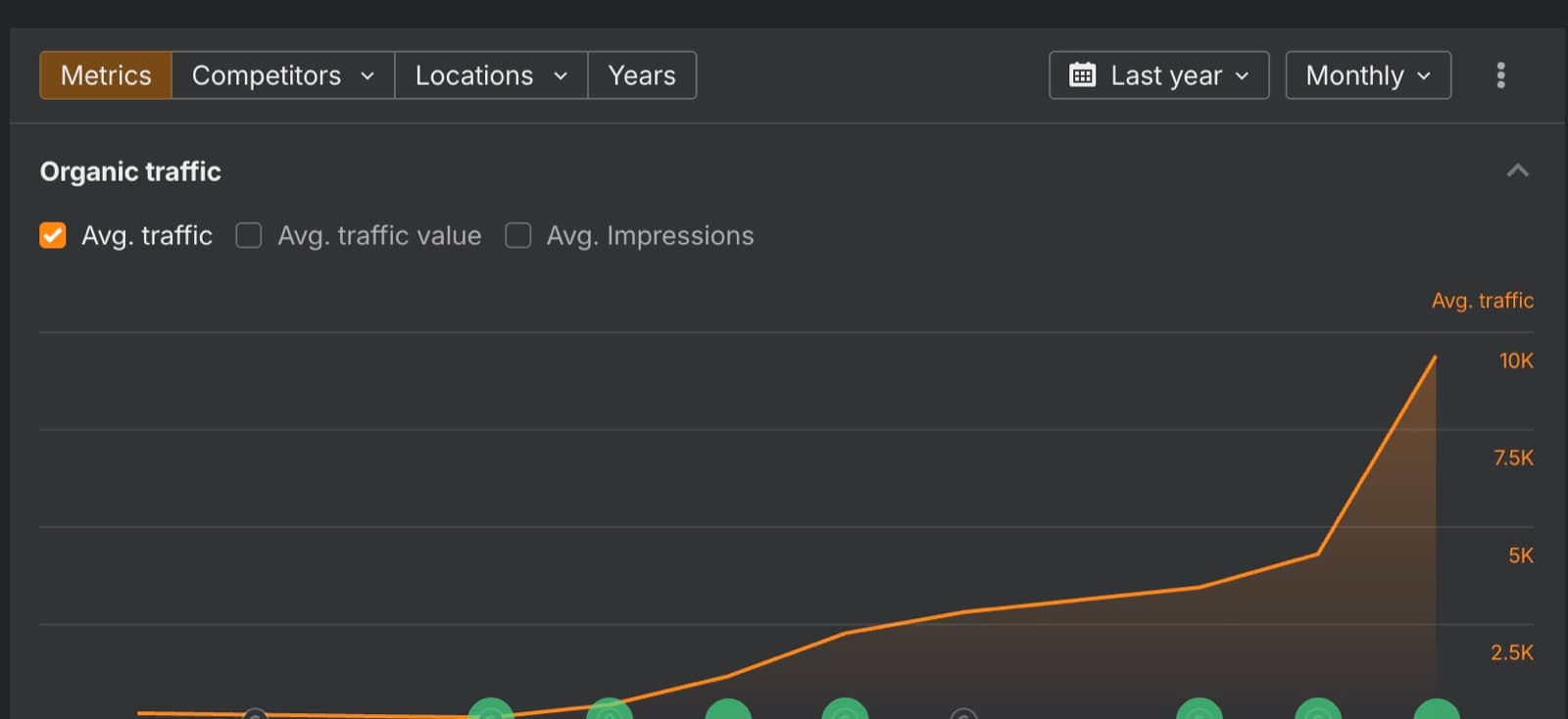
TeleCRM, a telecalling and sales CRM, was up against global CRM brands with big budgets and years of search authority. Its own domain started from zero: no authority (DR 0) and no organic traffic. It needed two things: enough authority to compete for rankings, and traffic that would turn into leads, not just visits.
SEO terms in plain English
- Domain Rating (DR)
- Ahrefs' 0–100 score for how strong a website's backlinks are. A DR of 50+ puts a site in a position to compete with established brands.
- Backlink
- A link from another website to yours. Google reads it as a recommendation, and recommendations from respected sites carry the most weight.
- Parasite SEO
- Publishing on large, established websites that already rank, so a brand appears in search results before its own site can rank on its own.
- On-page SEO
- Everything on the page itself that helps Google understand and rank it: titles, headings, content, internal links and so on.
- Commercial-intent keywords
- Searches made by people who are ready to buy, like someone comparing CRMs, rather than someone just looking for information.
- Organic traffic
- Visitors who come from Google's normal search results, without paying for ads.
What was the strategy?
- 01
Build authority fast: links from top-tier news sites and SaaS partners, plus stats articles that earn links by themselves
- 02
Get visible early with parasite SEO at scale while the domain's own authority grew
- 03
Turn traffic into leads: fix on-page issues and give commercial-intent keywords a tailored approach
What exactly did I do?
6 moves, each with what I did and why it mattered.
- 01Digital PR
Earned coverage on top-tier news websites
Secured links from leading news and media websites, the publications both Google and buyers already trust.
Why it mattered: Links from major publications are the strongest authority signal a young domain can get. They lift Domain Rating faster than any other kind of link, and being featured in the press builds trust with buyers as well.
- 02Partnerships
Collaborated with other SaaS websites
Worked out collaborations with other SaaS companies where both sides gained, earning TeleCRM links from relevant software websites.
Why it mattered: Links from fellow software companies place TeleCRM firmly in the SaaS world in Google's eyes. Because the deals worked for both sides, the links came from real businesses rather than link farms.
- 03Linkable assets
Published statistics articles that attract links
Created statistics articles packed with data on sales, calling and CRM topics, the kind of page writers reference when they need a figure to back up a point.
Why it mattered: Each time a blogger or journalist cites one of those stats, TeleCRM earns a link without doing any outreach. These pages keep collecting links long after they're published.
- 04Parasite SEO
Ran parasite SEO at scale
Published content at scale on high-authority platforms that already rank well in Google, with each piece sending readers on to TeleCRM.
Why it mattered: A new domain can take a year to rank for competitive terms. Borrowing the reach of platforms Google already trusts put TeleCRM in front of searchers from early on, while its own site caught up.
- 05On-page SEO
Fixed the on-page issues holding pages back
Found and fixed the on-page SEO issues across the site, so every important page clearly tells Google what it's about and which searches it should rank for.
Why it mattered: Links make a site stronger, but on-page SEO decides which searches each page can actually win. Fixing it is what turns authority from links into real rankings.
- 06Lead generation
Went after the keywords that bring leads
Identified the commercial-intent keywords, the searches people make when they're ready to choose a CRM, and gave each one a tailored approach rather than a one-size-fits-all page.
Why it mattered: Not all traffic is equal. One visitor looking for a CRM to buy is worth more than dozens reading a general article, and these keywords are where TeleCRM's leads came from.
What do I stand for?
Authority and conversions, together
Links make a domain strong; on-page work and the right keywords make that strength pay. I run both from day one instead of one after the other.
Leads are the scoreboard
Traffic is a means, not the goal. I put buyer keywords first, even when they have less search volume than informational ones.
Links from sources that matter
News websites and real SaaS companies, not link farms. A smaller number of strong, relevant links does more and carries no risk to your domain.
Build assets that keep paying
Statistics pages and well-optimised money pages keep earning links and leads long after the work is done. That's what makes growth compound.
How the results were verified
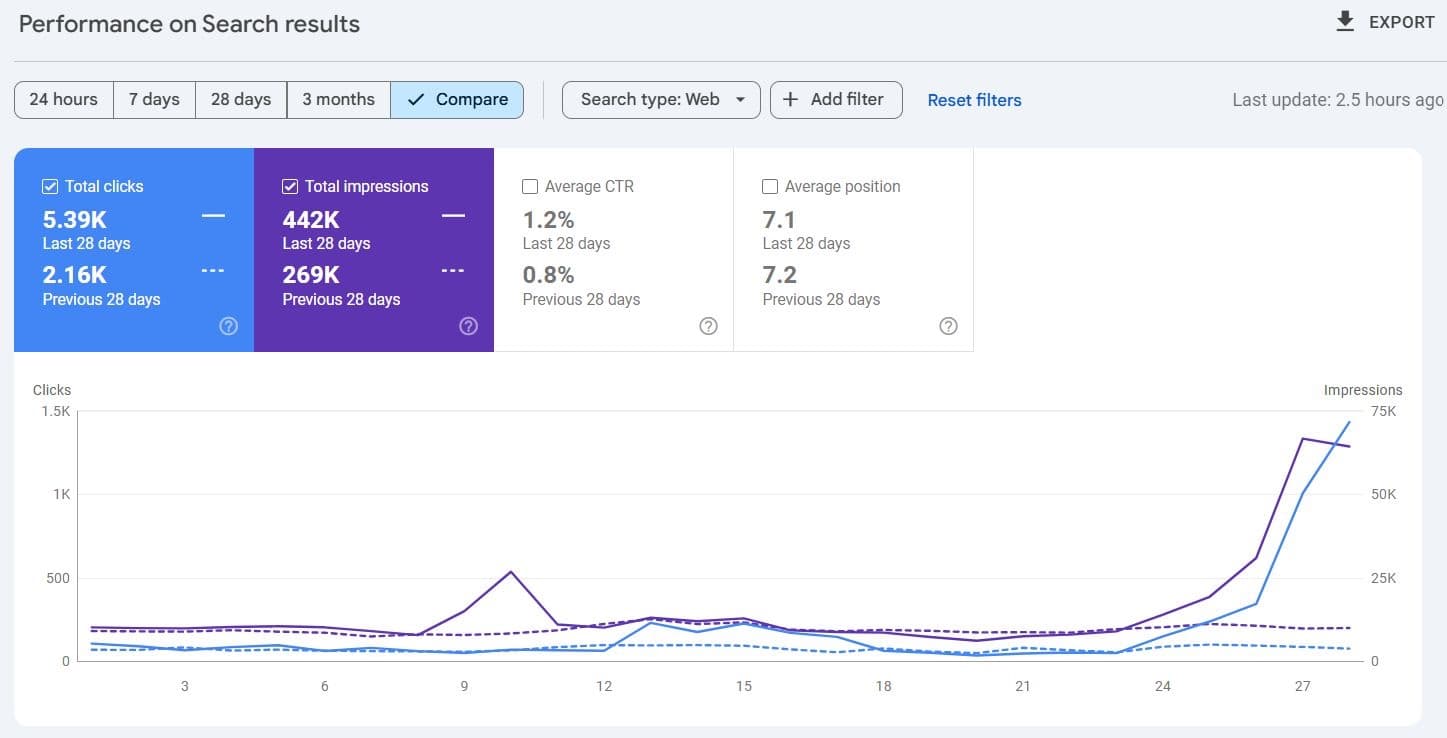
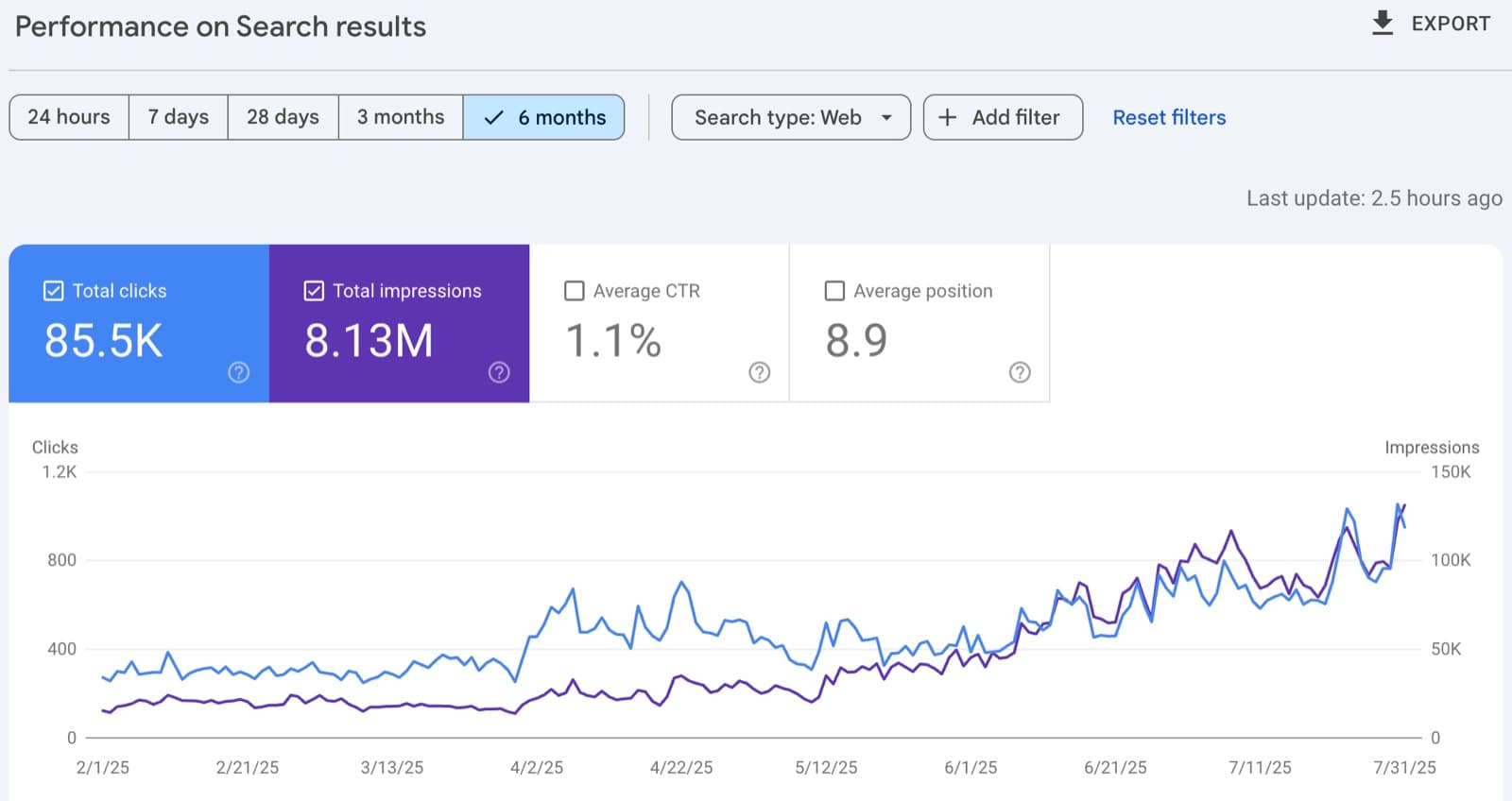
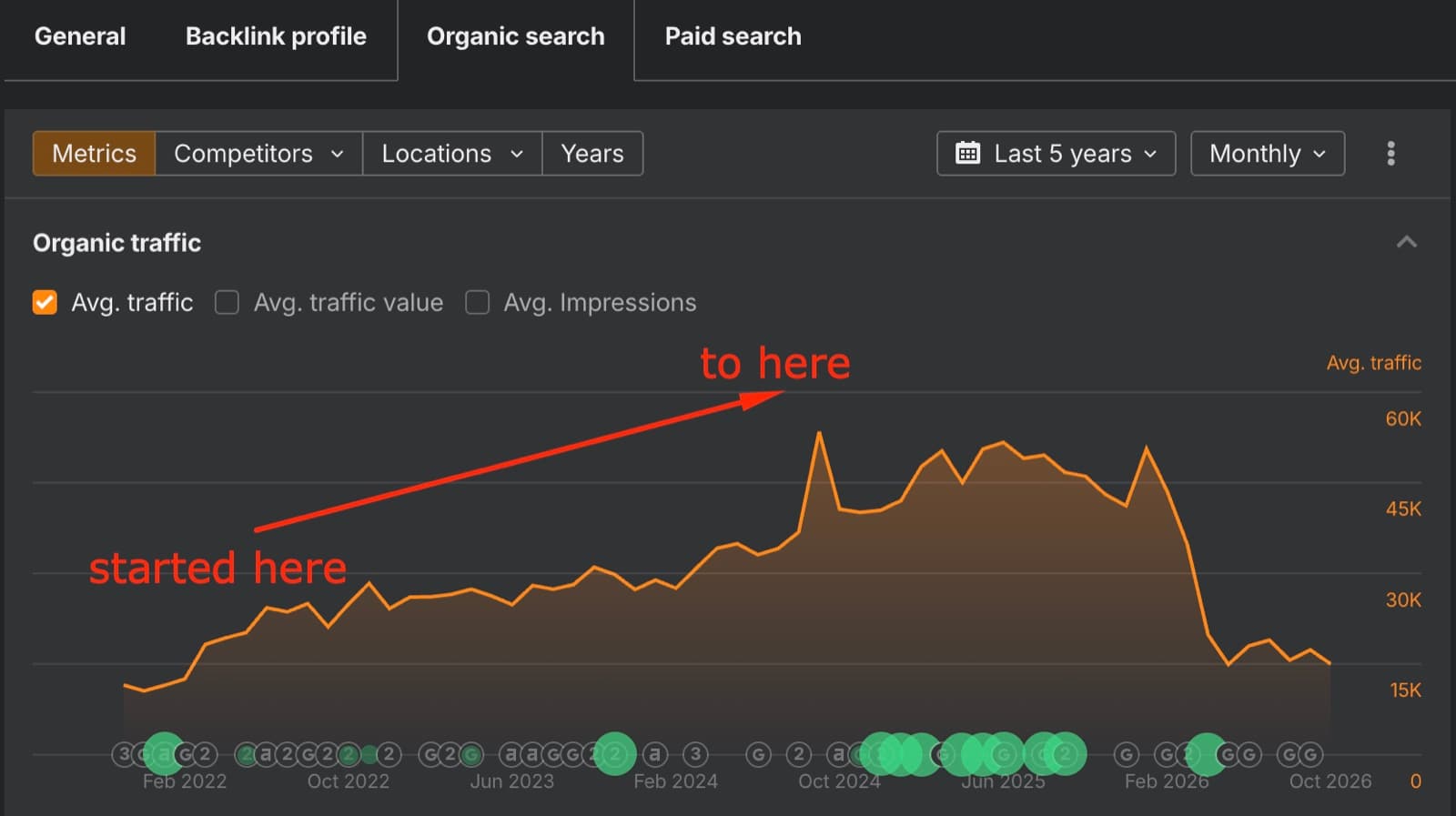
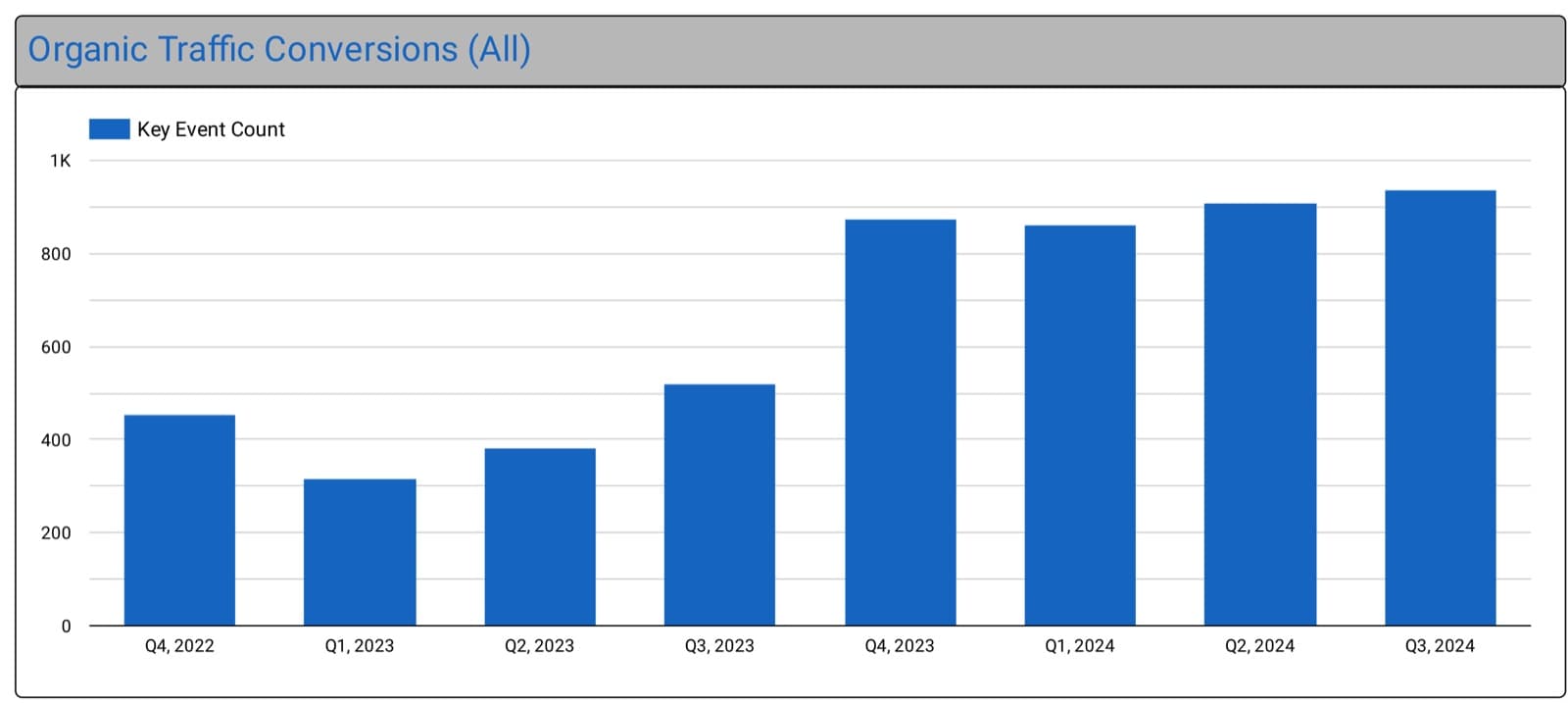
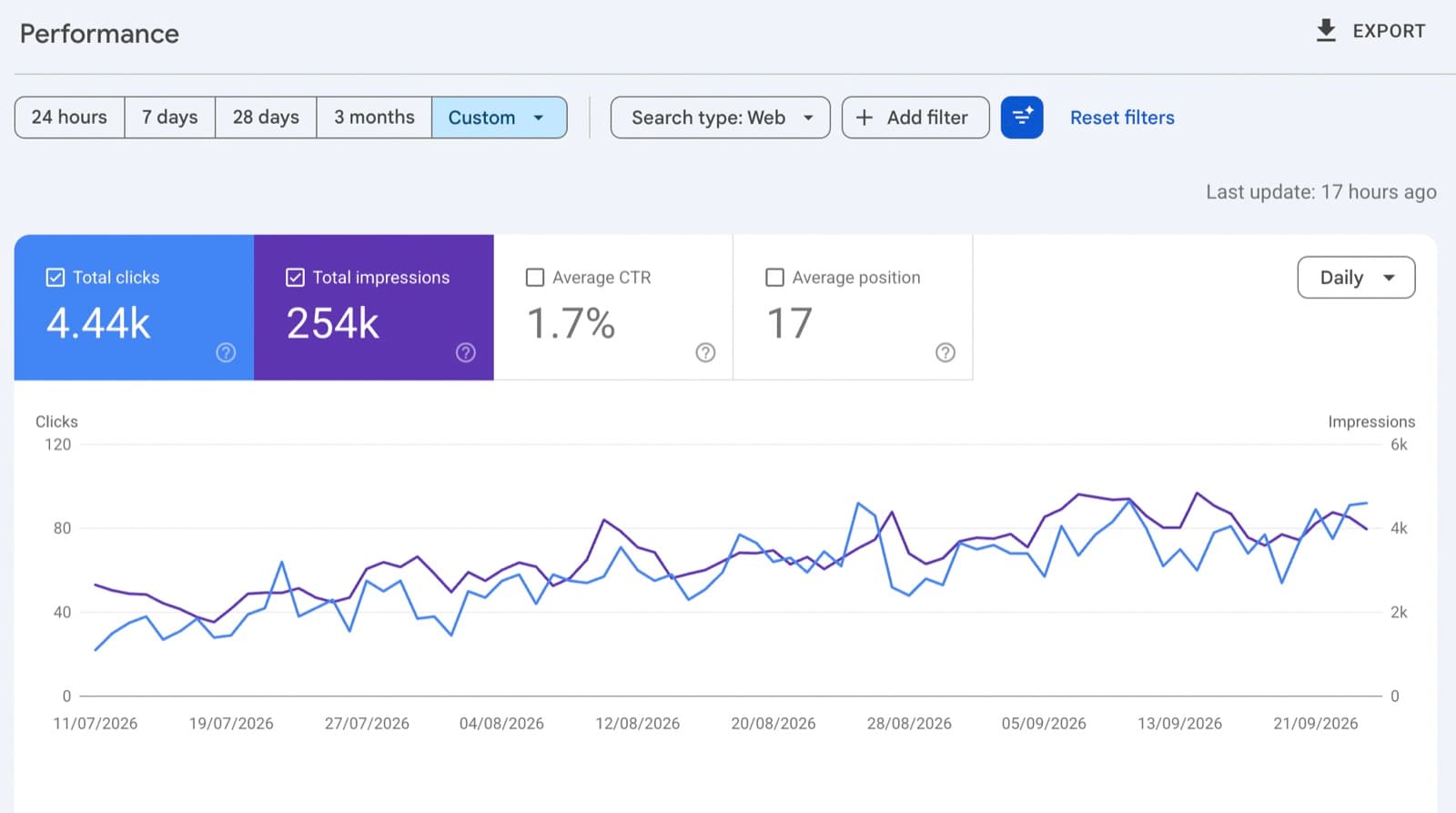
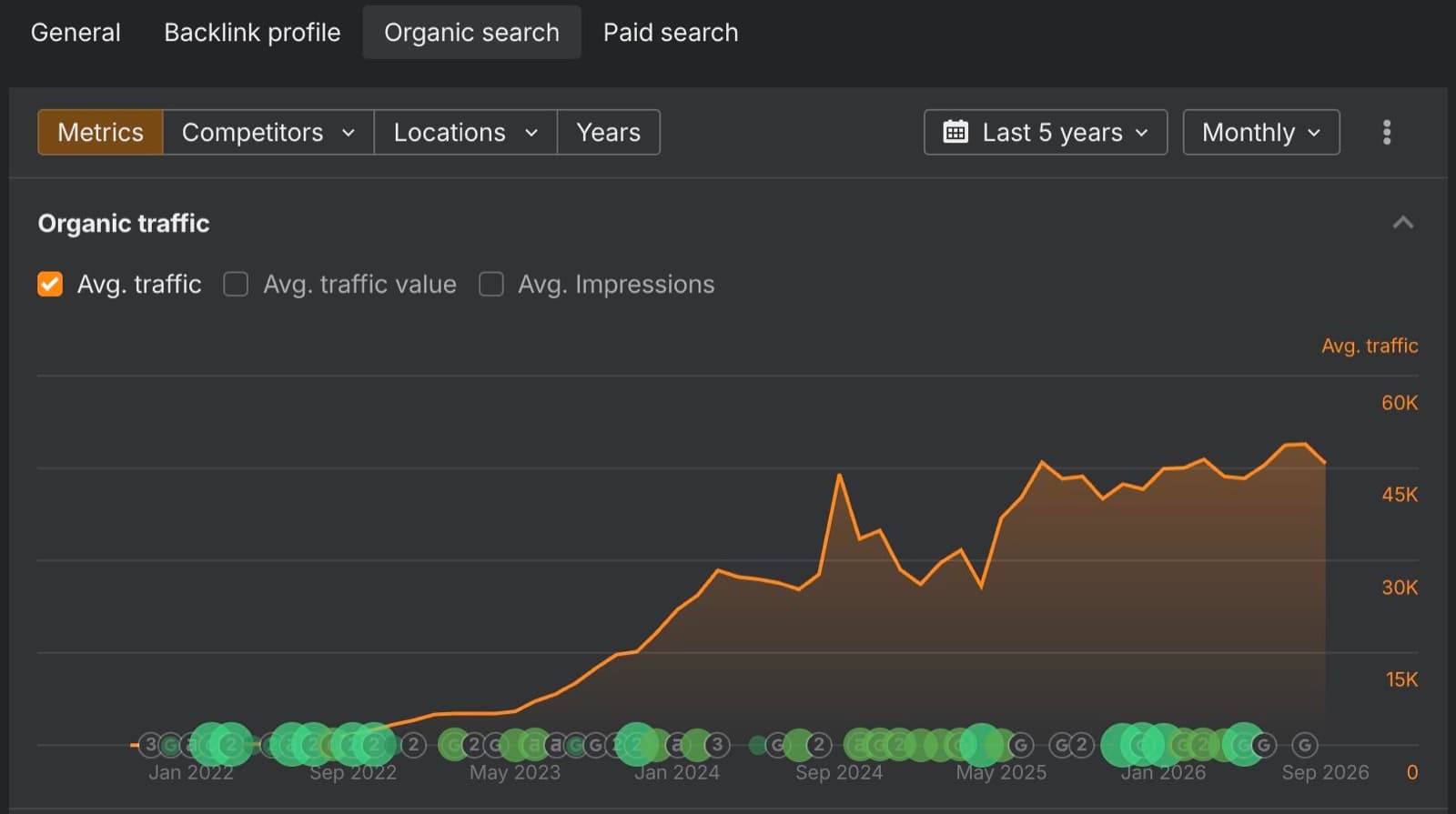
- Organic traffic and Domain Rating verified via Ahrefs.
- The numbers come straight from TeleCRM's own reporting tools.
Government University in the UAE
8K → 16K+ organic traffic, 100% growth in a single year