
Global marketplaces own generic skills
Coursera, Udemy and LinkedIn Learning rank for broad searches like data analytics course. Regional platforms win with language, niche, outcome and local-market angles.
I'm Raaquib Pathan, an online course platform SEO consultant in Dubai for e-learning, edtech and online academy brands. Your catalogue competes with global marketplaces, your learners search by skill and outcome, and many now ask AI assistants which course to take. I help your course pages win those searches and turn visits into sign-ups.
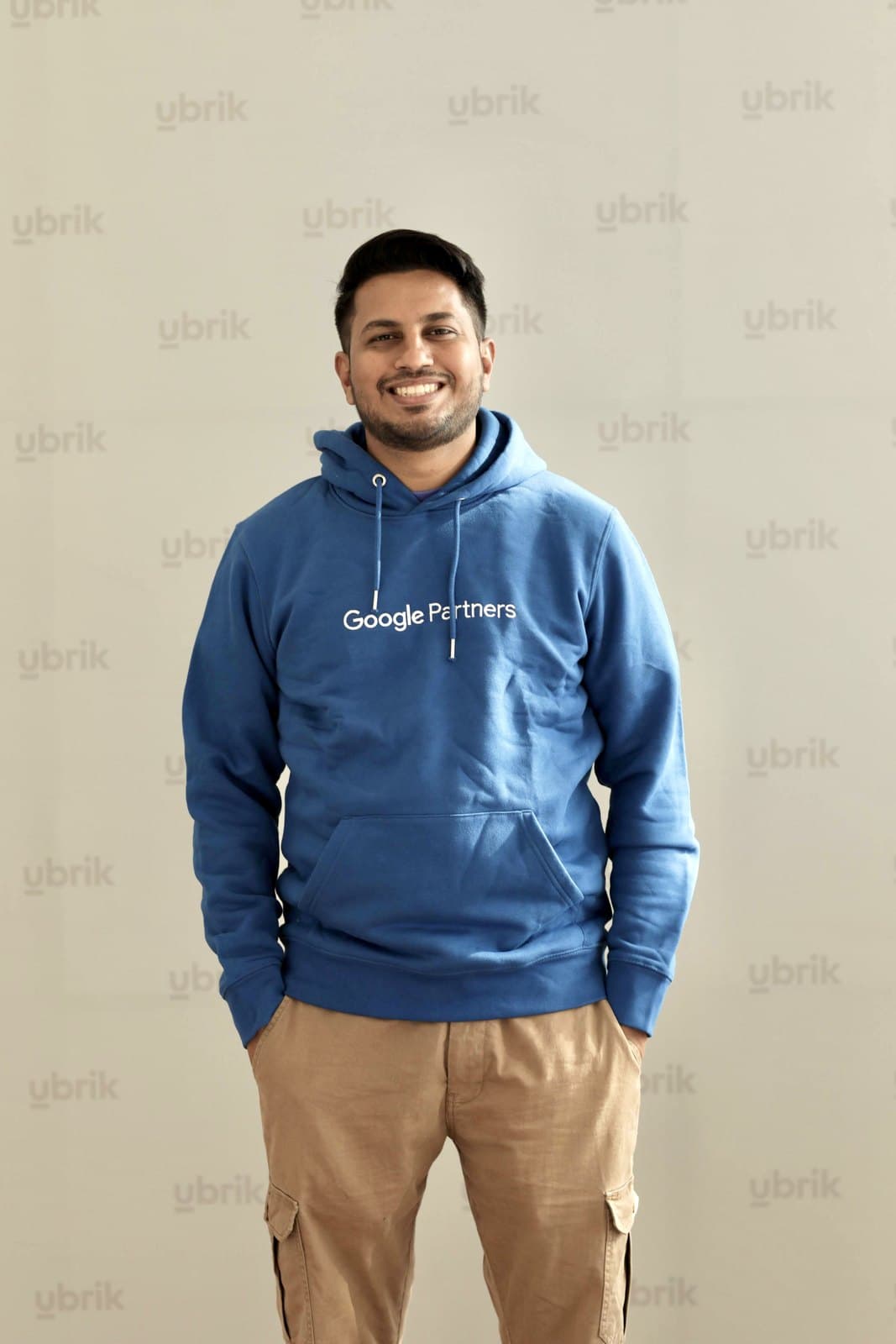
Raaquib Pathan
SEO & AI Search Consultant · Google Certified
An online course platform SEO consultant grows the sign-ups and course sales a platform gets from search. For a Dubai-based platform that means a catalogue architecture that scales, course pages that answer what learners compare, Arabic and English content for MENA learners, corporate training pages, and product-led SEO that turns free lessons and tools into paying learners.
By Raaquib Pathan · Updated
Key facts
Brands and institutions I have worked with







Learners search for online courses by skill, outcome and format. They type the skill with words like course, certificate or online, compare price, length and credibility, and check reviews. Arabic-speaking learners across the Middle East search in Arabic for many of the same skills, and companies search for training programmes for whole teams.
| Example query | Intent | Funnel stage | What shows up |
|---|---|---|---|
| online data analytics course with certificateEN | IntentLearn a job skill with proof | Funnel stageConsideration | What shows upGlobal marketplaces, platform pages, AI Overview |
| دورة تسويق رقمي اونلاينAR | IntentArabic search (“online digital marketing course”) | Funnel stageConsideration | What shows upArabic platforms, YouTube, marketplaces |
| best online courses for career changeEN | IntentExplore options | Funnel stageAwareness | What shows upList articles, Reddit, AI Overview |
| corporate training platform uaeEN | IntentTrain a team | Funnel stageConsideration | What shows upB2B platform pages, directories, ads |
| free python courseEN | IntentStart learning at no cost | Funnel stageAwareness | What shows upFree platforms, YouTube, marketplaces |
| is a coursera certificate worth itEN | IntentCheck credibility | Funnel stageConsideration | What shows upReviews, Reddit, AI Overview |
| online english course for arabic speakersEN | IntentFind a course for a specific audience | Funnel stageConsideration | What shows upLanguage platforms, marketplaces, ads |
| course subscription vs one-time purchaseEN | IntentCompare pricing models | Funnel stageDecision | What shows upPlatform pricing pages, reviews |
Online course platform SEO is harder than it looks because global marketplaces dominate skill searches, catalogues grow into thousands of thin or duplicate pages, Google has retired the dedicated course rich result, learners rely on reviews that sit on other sites, and B2B training buyers search very differently from individual learners.
Coursera, Udemy and LinkedIn Learning rank for broad searches like data analytics course. Regional platforms win with language, niche, outcome and local-market angles.
Courses, modules, instructors, tags and filters can generate thousands of thin URLs. Without structure, crawl budget is wasted and the best courses get buried.
Google phased out Course Info rich results in 2025. Pages must now stand out through titles, content and reviews rather than a special search feature.
Reviews on Reddit, YouTube and review sites influence choices. Platforms need a presence there, not only on their own course pages.
Individual learners and corporate buyers search differently. B2B training pages need their own structure, proof and conversion path.
Free lessons and articles attract traffic, but without a clear path to paid courses they add cost without revenue.
Raaquib Pathan's course platform playbook applies six services to catalogue growth and sign-ups, drawing directly on his SaaS work: a scalable catalogue architecture, product-led content that turns free learners into paying ones, Arabic and English course pages, B2B training pages, and course facts consistent enough for AI assistants to recommend with confidence.
I model the catalogue by search demand, conversion rate and margin, then prioritise the courses and categories that can realistically win and pay back.
I set rules for modules, tags, instructors and filters, so only valuable pages are indexed and the catalogue scales without bloat.
Learners ask AI assistants which course to take. I make duration, level, price, outcomes and credentials clear and consistent across your pages and listings.
Course platforms earn links through original research, free tools, instructor expertise and partnerships with employers and communities.
A Dubai platform can serve learners across the Middle East and beyond. I build Arabic catalogues and market targeting for the regions you want to grow in.
Edtech teams ship courses and features fast. I act as part-time head of SEO so launches, pricing changes and catalogue growth support search.
A course platform gets recommended by ChatGPT and Gemini when its courses are described with the facts learners ask about, such as level, duration, price, outcomes and instructor credentials, and when reviews and mentions elsewhere support them. Raaquib Pathan tests the prompts learners use, records which platforms appear, and fixes the gaps.
Prompts buyers type into AI assistants
Level, duration, price, prerequisites and outcomes in the same format on every course page give assistants reliable details to quote.
Instructor pages with real experience and qualifications help assistants and learners judge credibility.
Genuine reviews and mentions on forums, review sites and media feed the sources assistants lean on for course recommendations.
Pages comparing your courses with alternatives, including free options, become citable sources for learners deciding what to take.
Course platform SEO is affected by search platform changes as much as by regulation. Raaquib Pathan plans course pages around Google's 2025 decision to phase out Course Info rich results, and checks whether any in-person training in Dubai needs a KHDA permit, with your legal adviser confirming licensing questions.
This section explains how I plan content around regulation. It is not legal or regulatory advice. Confirm your own obligations with your licensing authority and your legal adviser.
In June 2025 Google announced it would phase out several structured data features, including Course Info. Course pages now compete on content, titles and reviews rather than a dedicated result.
Google said the change would not affect ranking. Course markup can still help search engines understand pages, so it remains worth keeping accurate.
KHDA issues educational services permits for training institutes in Dubai. Platforms that add classroom or blended training should check whether a permit applies.
Advertised prices for taxable supplies in the UAE must include VAT under Article 38 of the VAT law.
Raaquib Pathan's SaaS results come from free-trial and sign-up funnels, which is how most course platforms convert. A B2B SaaS CRM grew organic sessions from 12K to 35K with 65% more revenue in a year, and a brand-new SaaS site reached 50+ signups and 2,000+ organic clicks a month within three months.
Both products convert through free trials or sign-ups; the numbers for your catalogue will depend on your courses, pricing and audience.
12K → 35K
Organic sessions
+65% revenue in one year · about 95% of revenue from search
B2B sales CRM, global
Read the B2B SaaS case study100K
GenAI impressions in Search Console
2,000+ clicks a month · 200+ LLM referral visits · 50+ signups a month
Brand-new B2B SaaS site, first three months
Read the AI SEO case studyThe first 90 days of course platform SEO with Raaquib Pathan start with sign-up tracking and catalogue structure, then rebuild the categories and courses with the best chance of ranking and converting, and finish with Arabic pages, B2B training content and AI visibility. Free content is connected to paid courses from the start.
Honest timing: Catalogue clean-up often shows within six to eight weeks. Course and category pages usually take three to six months to rank against global marketplaces, and Arabic and niche categories can move faster because competition is lower.
A course platform should measure sign-ups, paid conversions and revenue from organic search, split by category and language. Raaquib Pathan tracks the path from free content to paid course, reports B2B training enquiries separately, and verifies every figure in Google Search Console, GA4 and your platform's own analytics.
| KPI | Why it matters | Verified in |
|---|---|---|
| Sign-ups and trials from organic | Why it mattersThe first conversion that matters | Verified inGA4 + platform analytics |
| Free-to-paid conversion rate | Why it mattersShows whether content leads to revenue | Verified inPlatform analytics |
| Course revenue by category | Why it mattersConnects SEO to the catalogue's economics | Verified inGA4 ecommerce |
| Arabic catalogue clicks and sign-ups | Why it mattersTracks growth in Arabic-speaking markets | Verified inSearch Console + GA4 |
| B2B training enquiries | Why it mattersHigher-value leads from company buyers | Verified inCRM |
| AI assistant mentions for course prompts | Why it mattersWhether assistants recommend your platform | Verified inPrompt benchmark |
Two recommendations from people I have worked with, both verified on LinkedIn.

I worked with Raaquib on QuickMail's off-page SEO for a period of over 6 months. He is dedicated, resourceful, he has a can-do attitude, and he has experience in many areas of SEO. He helped us achieve great results during his time with us, and I warmly recommend him for any future off-page SEO projects.

Raaquib knows how to get SEO results for his clients! When I worked with him, he explained in detail the time that it would take to get the results and actually got the results by moving the positions of the keywords to higher ranks. He is good at what he does, no doubt!!!
Answers to what edtech founders and growth leads ask before investing in SEO: competing with global marketplaces, catalogue size, structured data, Arabic content, free content and AI search. Raaquib Pathan answers from his SaaS growth experience and how course platforms actually win organic sign-ups.
Yes, if it does not try to beat them on their terms. Global marketplaces win broad skill searches, but regional platforms can own Arabic-language courses, region-specific skills, particular professions and corporate training for the Middle East. I focus the first months on searches where your catalogue is clearly the better answer.
It remains useful, but for different reasons. Google phased out Course Info rich results in 2025 and said the change would not affect ranking. Accurate course markup still helps search engines understand your pages. The bigger gains now come from clear course facts, strong titles and genuine reviews. Keep it accurate and in sync with the page.
Decide which pages deserve to rank: usually categories, strong courses and important skills, not every tag or filter. Keep thin or duplicate pages out of the index, link related courses by skill and level, and improve the top courses first. A clean structure lets new courses rank faster. Then extend the template to the rest.
Often, yes. Arabic-speaking learners search for professional skills in Arabic, and well-structured Arabic catalogues are much less common than English ones. The key is proper course pages in Arabic, not machine-translated summaries, supported by instructors who can teach in Arabic. I start with the categories where Arabic demand is clearest, such as business and digital skills, and expand once they bring in sign-ups.
Only if it leads somewhere. Free lessons, guides and tools can attract many learners, but each should link to a relevant paid course and capture sign-ups. I measure free-to-paid conversion so free content earns its place rather than just adding traffic that never buys. Content that never leads to a paid course or sign-up is usually the first thing I cut or rework.
Create separate pages for company buyers: team plans, custom programmes, reporting, case examples and a demo or enquiry path. Corporate buyers search for training platforms, not individual courses, and they need proof that the platform works for teams. I track these enquiries separately from individual sign-ups. Company buyers in Dubai, Abu Dhabi and Riyadh often compare several platforms before a demo.
Catalogue fixes can show within six to eight weeks. Competitive course categories usually take three to six months, and longer against global marketplaces. Arabic and niche categories often move faster. I report sign-ups monthly so progress is visible well before category rankings mature. B2B training pages often produce enquiries sooner than individual course pages do.
Book a free strategy call. I will review your catalogue structure, course pages and free content, and show you where search can bring more learners and paying customers.